

Michael Weinstein
EntrepreneurMichael Weinstein is a seasoned writer and a dedicated expert in work safety, footwear, and popular shoe brands. With years of research and expertise, he's...Read more
Michael Weinstein
EntrepreneurMichael Weinstein is a seasoned writer and a dedicated expert in work safety, footwear, and popular shoe brands. With years of research and expertise, he's...Read more
When it comes to running shoes, there are countless options available in the market. Hoka shoes, with their thick soles and unique design, have become increasingly popular in recent years. However, there has been a growing concern among runners that Hoka shoes may not be the best choice for their feet. In this article, we will explore why some runners believe Hoka shoes are bad and what you should consider before choosing them as your go-to running shoe.
While Hoka shoes have gained a reputation for providing superior cushioning and support, some runners argue that the thick soles can actually do more harm than good. From causing instability to altering your gait, there are several reasons why Hoka shoes might not be the best option for runners looking to improve their performance and reduce the risk of injury. So, if you’re considering investing in a pair of Hoka shoes, read on to learn more about why they may not be the right choice for you.
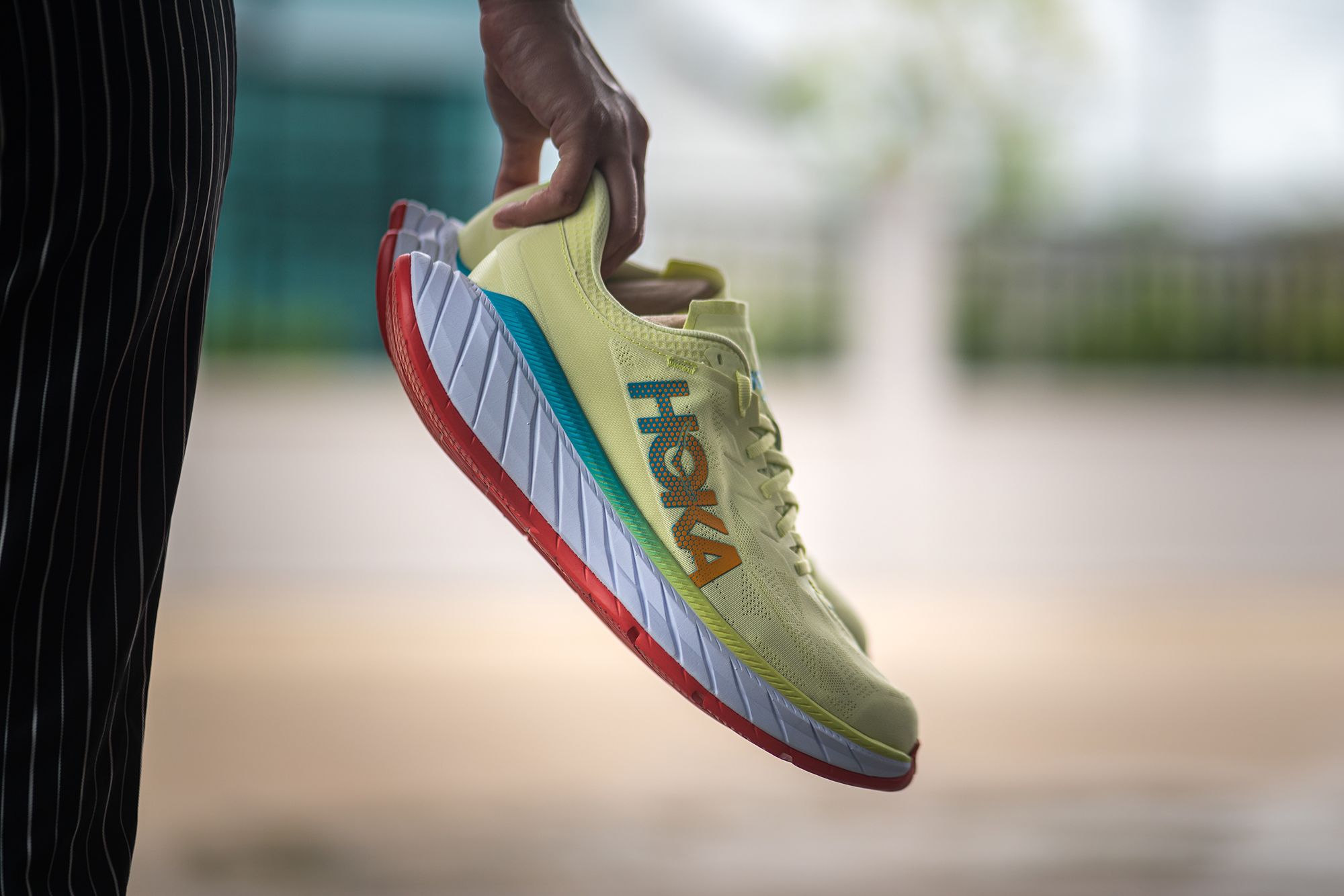
Why Hoka Shoes Are Bad?
Cushioning is not enough
Hoka shoes are marketed as running shoes that provide maximum cushioning and support. While this may sound like a good thing, it can actually be detrimental to your foot health. The excessive cushioning can cause your feet to sink into the shoes, which can lead to instability and a higher risk of injury. Moreover, the cushioning can also cause your feet to sweat more than usual, leading to blisters and other foot problems.
Furthermore, Hoka shoes feature an elevated heel, which can alter your gait and put more strain on your knees and hips. This can lead to knee pain, hip pain, and other joint problems in the long run. Therefore, if you’re looking for a running shoe that provides good cushioning and support, you may want to consider other brands that offer a more balanced approach.
Lack of flexibility
Hoka shoes are known for their rigid, bulky design. While this may be helpful for some runners who need extra stability, it can also be a disadvantage for others who require more flexibility. The inflexibility of Hoka shoes can restrict your natural foot movement, leading to muscle fatigue and an increased risk of injury.
Moreover, the thick sole of Hoka shoes can make it difficult to feel the ground beneath your feet. This can hinder your ability to adjust your stride and adapt to different surfaces, which can be problematic for trail runners and other outdoor enthusiasts. Therefore, if you’re looking for a shoe that offers more flexibility and ground feel, you may want to consider other brands that prioritize these features.
Heavy and bulky
Hoka shoes are notoriously heavy and bulky, which can make them uncomfortable to wear for extended periods of time. The added weight can also slow you down and hinder your performance, especially if you’re a competitive runner. Additionally, the bulky design of Hoka shoes can make them difficult to pack or store, which can be inconvenient for travelers or those with limited storage space.
Furthermore, the heavy and bulky nature of Hoka shoes can make them unsuitable for certain activities, such as agility training or gymnastics. The added weight and bulk can make it difficult to perform quick movements or achieve proper form, which can increase your risk of injury. Therefore, if you’re looking for a shoe that is lightweight and easy to maneuver, you may want to consider other brands that prioritize these features.
Price
Hoka shoes are among the most expensive running shoes on the market. While the high price tag may be justified for some runners who require extra cushioning and support, it can be a turn-off for others who are on a budget. Moreover, the high cost of Hoka shoes can make it difficult to replace them on a regular basis, which can be problematic for runners who log a lot of miles.
Furthermore, the high price of Hoka shoes can also be a result of the brand’s marketing strategies. Hoka shoes are often marketed as a trendy and fashionable option for runners, which can drive up the price unnecessarily. Therefore, if you’re looking for a running shoe that offers good value for your money, you may want to consider other brands that offer similar features at a more affordable price.
Limited options
Hoka shoes are known for their distinctive design and cushioning, which can be a drawback for runners who prefer more variety in their footwear. The limited options of Hoka shoes can make it difficult to find a pair that suits your specific needs and preferences. Moreover, the limited options can also make it difficult to replace your Hoka shoes if they are discontinued or out of stock.
Furthermore, the limited options of Hoka shoes can also be a result of the brand’s marketing strategies. Hoka shoes are often marketed as a niche product for serious runners, which can limit their appeal to a wider audience. Therefore, if you’re looking for a running shoe that offers more variety and options, you may want to consider other brands that prioritize these features.
Durability
Hoka shoes are not known for their durability. While the shoes may provide good cushioning and support initially, they may break down quickly with regular use. This can be problematic for runners who log a lot of miles or use their shoes for multiple activities. Moreover, the lack of durability can also make it difficult to justify the high price tag of Hoka shoes.
Furthermore, the lack of durability of Hoka shoes can also be a result of the brand’s marketing strategies. Hoka shoes are often marketed as a high-performance product for serious runners, which can compromise their durability. Therefore, if you’re looking for a running shoe that is built to last, you may want to consider other brands that prioritize durability in their design.
Style
Hoka shoes are not known for their style. While the shoes may be functional and comfortable, they may not be the most fashionable option for runners who prioritize style and aesthetics. Moreover, the bulky design of Hoka shoes can make them difficult to style with certain outfits or in certain settings.
Furthermore, the lack of style of Hoka shoes can also be a result of the brand’s marketing strategies. Hoka shoes are often marketed as a serious running product, which can compromise their style and appeal to a wider audience. Therefore, if you’re looking for a running shoe that offers both function and style, you may want to consider other brands that prioritize both features in their design.
Fit
Hoka shoes may not fit all feet. While the shoes are designed to provide maximum cushioning and support, they may not be suitable for runners with certain foot types or conditions. Moreover, the rigid design of Hoka shoes can make it difficult to achieve a comfortable and secure fit, which can lead to blisters, chafing, and other foot problems.
Furthermore, the fit of Hoka shoes can also be a result of the brand’s marketing strategies. Hoka shoes are often marketed as a niche product for serious runners, which can limit their appeal to a wider audience. Therefore, if you’re looking for a running shoe that offers a comfortable and secure fit for your specific foot type, you may want to consider other brands that prioritize fit in their design.
Environmental impact
Hoka shoes may have a negative impact on the environment. While the shoes are made from high-quality materials, they may not be environmentally sustainable or ethical. Moreover, the production and transportation of Hoka shoes can contribute to carbon emissions and other environmental issues.
Furthermore, the environmental impact of Hoka shoes can also be a result of the brand’s marketing strategies. Hoka shoes are often marketed as a high-performance product for serious runners, which can prioritize function over environmental impact. Therefore, if you’re looking for a running shoe that is environmentally sustainable and ethically responsible, you may want to consider other brands that prioritize these features in their design.
Brand loyalty
Hoka shoes may not be suitable for runners who prioritize brand loyalty. While the brand may have a strong reputation among serious runners, it may not be the best option for runners who prefer to stick with one brand. Moreover, the limited options and high price of Hoka shoes can make it difficult to switch to a different brand if you are not satisfied with your Hoka shoes.
Furthermore, the brand loyalty of Hoka shoes can also be a result of the brand’s marketing strategies. Hoka shoes are often marketed as a niche product for serious runners, which can prioritize brand loyalty over customer satisfaction. Therefore, if you’re looking for a running shoe that offers good value and flexibility in terms of brand options, you may want to consider other brands that prioritize these features.
Frequently Asked Questions
Here are some common questions people have about Hoka shoes:
Do Hoka shoes cause injury?
While Hoka shoes are designed to offer excellent support for your feet, they may not be suitable for everyone. Some people may experience discomfort or injury if they wear these shoes for extended periods, especially if they have a history of foot problems or are new to running or walking.
If you’re considering buying a pair of Hoka shoes, it’s essential to consult with a professional shoe fitter or podiatrist to ensure they are the best choice for your feet.
Are Hoka shoes heavy?
Compared to other running shoes, Hoka shoes can be quite heavy. The thick, cushioned sole adds to the weight of the shoe, making them less suitable for people who prefer lightweight footwear.
However, the added weight can also provide additional stability and support, making them a popular choice for long-distance runners or people with foot problems.
Do Hoka shoes offer enough support?
Hoka shoes are designed to offer excellent support for your feet, with a thick, cushioned sole that absorbs impact and reduces stress on your joints. However, some people may find that the support is not enough, especially if they have severe foot problems or injuries.
If you’re looking for a shoe with extra support, it’s best to consult with a professional shoe fitter or podiatrist to find the right shoe for your specific needs.
Are Hoka shoes suitable for all types of running?
Hoka shoes are designed for long-distance running and walking, with a focus on comfort and stability. However, they may not be suitable for all types of running, such as sprints or short-distance races.
If you’re a competitive runner or participate in other types of running, it’s best to consult with a professional shoe fitter or coach to find the right shoe for your specific needs.
What are some alternatives to Hoka shoes?
If you’re looking for an alternative to Hoka shoes, there are many other brands and styles available that offer similar features and benefits.
Some popular brands include Brooks, Asics, and New Balance, which offer a wide range of shoes for different types of runners and walkers.
Hoax or Hoka? Why do Hoka Shoes Look Like This?
So, while Hoka shoes may have some benefits such as comfort and support, they are not suitable for everyone. The added cushioning may cause instability and increase the risk of injury, especially for those with weak ankles or who engage in high-impact activities. Additionally, the bulky design may affect running form and limit agility.
It is important to consider individual needs and preferences when choosing running shoes. Trying on different brands and styles, and seeking advice from a professional, can help determine the best option for each individual. While Hoka shoes may work well for some, they may not be the right choice for others.
In the end, the most important factor is finding a shoe that allows for comfortable and safe movement. Whether it is Hoka or another brand, the ultimate goal should be to find a shoe that supports and enhances performance while reducing the risk of injury.
Conclusion
While Hoka shoes may be a popular choice among serious runners, they may not be the best option for everyone. The excessive cushioning, lack of flexibility, and heavy and bulky design of Hoka shoes can be problematic for runners who prioritize balance, flexibility, and lightweight footwear. Moreover, the high price, limited options, and lack of durability of Hoka shoes can also be major drawbacks for runners who require good value and longevity in their footwear.
Therefore, if you’re looking for a running shoe that meets your specific needs and preferences, you may want to consider other brands that offer a more balanced and flexible approach.
Recent Posts
Understanding that over 2 million Americans are affected by plantar fasciitis each year highlights the significance of proper footwear. The pain and discomfort caused by this condition can derail...
Have you ever wondered why so many runners experience injuries every year? A staggering 79% of recreational runners get injured, and a major culprit is often the wrong choice of running shoes. It's...