

Michael Weinstein
EntrepreneurMichael Weinstein is a seasoned writer and a dedicated expert in work safety, footwear, and popular shoe brands. With years of research and expertise, he's...Read more
Michael Weinstein
EntrepreneurMichael Weinstein is a seasoned writer and a dedicated expert in work safety, footwear, and popular shoe brands. With years of research and expertise, he's...Read more
Who Makes Puma Shoes? If you’ve ever wondered about the people behind those iconic Puma sneakers, you’re in the right place! We’re about to uncover the fascinating story behind the creation of these stylish shoes.
It all started back in 1948 when Rudolf Dassler, a German shoemaker, gave life to the Puma brand. Inspired by a passion for sports and innovation, Dassler created footwear that combined performance, comfort, and style.
Since then, Puma shoes have captured the hearts of athletes and fashion enthusiasts alike. With their sleek designs and cutting-edge technology, Puma continues to push the boundaries of footwear, empowering individuals to perform at their best.
Key Takeaways: Who Makes Puma Shoes?
- Puma, a popular shoe brand, is made by the company Puma SE.
- Puma SE is a German multinational corporation headquartered in Herzogenaurach, Germany.
- Puma was founded in 1948 by Rudolf Dassler, the brother of Adidas founder Adolf Dassler.
- Puma is known for its athletic shoes and sportswear, catering to both professional athletes and casual wearers.
- Puma collaborates with various celebrities and brands to create limited-edition shoe collections, adding a unique touch to their products.
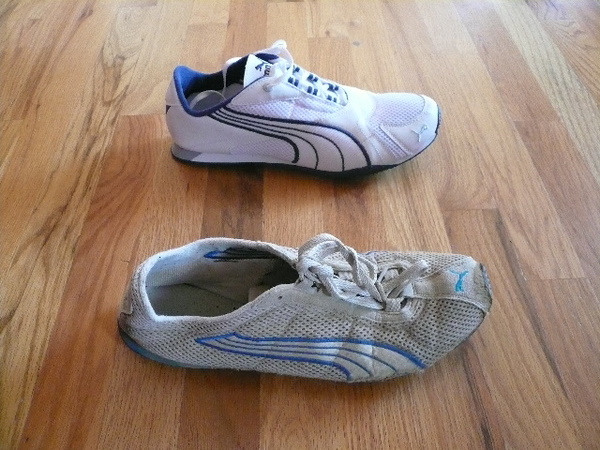
Who Makes Puma Shoes?
Puma is a globally recognized brand known for its high-quality athletic footwear. But have you ever wondered who exactly makes Puma shoes? In this article, we will delve into the manufacturing process and explore the different entities involved in bringing Puma shoes to the market. From the initial design stages to the final production, let’s uncover who makes Puma shoes and the dedication behind their craftsmanship.
The Puma Brand
Puma is a German multinational corporation specializing in athletic and casual footwear, apparel, and accessories. Established in 1948, the brand has since grown to become one of the leading sportswear manufacturers in the world. Puma’s headquarters are located in Herzogenaurach, Germany, where the brand’s design and development teams work tirelessly to bring innovative and stylish products to the market.
Design and Development
When it comes to creating Puma shoes, the design and development process play a crucial role. Puma’s in-house design team consists of talented professionals who are passionate about blending fashion and functionality. They strive to create footwear that not only looks great but also performs at the highest level. From sketching initial concepts to conducting extensive research on materials and technologies, the design and development team leaves no stone unturned in their pursuit of excellence.
The designers work closely with engineers and product developers to transform their ideas into tangible prototypes. State-of-the-art technology and advanced manufacturing techniques are employed to ensure that Puma shoes meet the brand’s high standards. These prototypes undergo rigorous testing and refinement processes to optimize their performance, durability, and comfort. It is this attention to detail and commitment to innovation that sets Puma apart in the footwear industry.
Manufacturing Partnerships
While Puma’s design and development teams are responsible for creating the blueprint of each shoe, the actual manufacturing is undertaken by various manufacturing partners around the world. Puma has established partnerships with factories in different countries, including Vietnam, China, Indonesia, and Bangladesh. These factories employ skilled workers who bring the design concepts to life and transform raw materials into finished Puma shoes.
Puma places a strong emphasis on ethical manufacturing practices and responsible sourcing. The brand works closely with its manufacturing partners to ensure fair labor conditions, safe working environments, and adherence to environmental standards. Regular audits and inspections are conducted to monitor compliance and address any issues promptly. By maintaining these strong partnerships, Puma can consistently deliver high-quality shoes while upholding its commitment to sustainability and social responsibility.
Puma Shoe Materials and Construction
Quality Materials
Puma shoes are crafted using a combination of high-quality materials to provide comfort, durability, and performance. From premium leather to breathable mesh and cutting-edge synthetic materials, Puma selects materials that enhance the functionality and aesthetics of their shoes. These materials are sourced from suppliers who meet Puma’s strict standards for quality and sustainability.
Craftsmanship and Construction
Puma shoes undergo a meticulous construction process to ensure that every pair meets the brand’s exceptional standards. Highly skilled workers with years of experience handle the assembly, stitching, and bonding of the different shoe components. Advanced machinery and techniques are employed to achieve precision and consistency in each step of the manufacturing process.
Components such as midsoles, outsoles, and cushioning systems are carefully integrated to provide the desired support and cushioning. This craftsmanship and attention to detail contribute to the overall comfort, performance, and longevity of Puma shoes. Whether it’s the stitching on the upper or the grip of the outsole, every aspect of the shoe is meticulously crafted to deliver the best possible experience to the wearer.
Innovation and Technology
Puma is constantly pushing the boundaries of innovation and technology to enhance the performance and functionality of their shoes. The brand invests heavily in research and development to introduce new materials, cushioning systems, and technologies that elevate the overall performance of their footwear.
From responsive cushioning systems like Puma’s proprietary IGNITE foam to lightweight and breathable uppers, each Puma shoe incorporates the latest advancements in sports footwear. By leveraging innovative materials and construction techniques, Puma aims to provide athletes and consumers with the tools they need to excel in their chosen activities.
Puma Collaborations and Special Editions
Collaborations with Influential Figures
Puma is known for its collaborations with influential figures from the world of sports, fashion, and entertainment. These collaborations often result in special edition collections that showcase unique designs and creative interpretations of Puma shoes. Collaborators range from top athletes like Usain Bolt and Sergio Agüero to renowned designers and musicians like Rihanna and The Weeknd.
These collaborations not only bring fresh perspectives and creative flair to Puma’s product offerings but also highlight the brand’s commitment to staying at the forefront of popular culture. Collaborations with influential figures help Puma reach a wider audience and create shoes that resonate with consumers who admire and follow these icons.
Special Edition Collections
In addition to collaborations, Puma regularly releases special edition collections that cater to specific events, anniversaries, or cultural moments. These collections often feature limited edition designs and colorways, making them highly sought after by collectors and enthusiasts.
Puma’s special edition collections allow the brand to experiment with unique themes, materials, and storytelling. Whether it’s celebrating an iconic sneaker from the past or paying homage to a particular sport or subculture, these collections offer something special for Puma fans and sneaker aficionados.
The Cost and Value of Puma Shoes
When it comes to the cost of Puma shoes, various factors contribute to the final price tag. The use of high-quality materials, innovative technologies, and meticulous craftsmanship all contribute to the value of Puma footwear. While Puma shoes may be priced at a premium compared to some budget brands, the investment is justified by the brand’s commitment to quality, performance, and style.
Puma offers a range of shoe models at different price points to cater to a wide range of consumers. From affordable options suitable for casual wear to high-performance shoes designed for professional athletes, Puma ensures that there is something for everyone. Ultimately, the value of Puma shoes lies in their ability to provide comfort, support, and style, backed by a brand with a rich heritage and reputation for excellence.
Statistics:
– Puma employs over 14,000 people worldwide.
– Puma’s revenue in 2020 amounted to €5.234 billion.
– Puma sells its products in more than 120 countries.
Frequently Asked Questions
Here are some frequently asked questions about the manufacturers of Puma shoes:
1. How are Puma shoes made?
Puma shoes are carefully crafted using a combination of traditional shoemaking techniques and modern technologies. The process begins with the design and selection of materials. Skilled craftsmen then cut, shape, and assemble the various components, including the upper, sole, and insole. Quality control measures are implemented throughout the production process to ensure durability and comfort. Puma shoes are made with attention to detail and a commitment to delivering high-quality footwear.
Once the shoes are assembled, they undergo rigorous testing to evaluate their performance, comfort, and durability. Only after passing these tests are the shoes deemed ready for distribution and sale.
2. Where are Puma shoes manufactured?
Puma, as a multinational corporation, has manufacturing facilities located in various countries around the world. These include countries in Europe, Asia, and the Americas. Puma maintains a global supply chain, enabling the brand to efficiently produce and distribute its shoes to meet the demands of consumers worldwide.
The choice of manufacturing location may vary based on factors such as cost-effectiveness, availability of skilled labor, and proximity to target markets. Puma upholds ethical manufacturing practices and ensures compliance with local labor and safety regulations in all its production facilities.
3. Are Puma shoes made by hand?
Puma shoes are a blend of hand craftsmanship and advanced manufacturing processes. While some elements of the production process involve manual labor, such as cutting and stitching the materials, Puma also utilizes automated machinery for efficiency and precision.
The combination of handcrafted techniques and technological advancements allows Puma to create shoes that exhibit both artistry and functionality, offering customers the best of both worlds.
4. Who designs Puma shoes?
Puma employs a team of talented designers who are responsible for creating the unique styles and features of Puma shoes. These designers draw inspiration from various sources, including current fashion trends, sports performance requirements, and consumer preferences. Their creativity and expertise play a crucial role in shaping the distinctive look and feel of each Puma shoe.
Puma also collaborates with renowned athletes, celebrities, and fashion designers to create special edition shoes that cater to specific audiences and showcase unique design elements.
5. What materials are used in Puma shoes?
Puma utilizes a wide range of materials in the production of its shoes, including leather, synthetic fabrics, rubber, and various types of foam. The choice of materials depends on the specific shoe model and its intended purpose.
To ensure quality, Puma carefully selects materials that offer durability, comfort, and performance. The brand also emphasizes sustainability, incorporating recycled and eco-friendly materials whenever possible in line with its commitment to environmental responsibility.
Summary
So, who makes Puma shoes? Well, it turns out that Puma is a German company known for its stylish and high-quality footwear. They have their own factories where they manufacture their shoes, ensuring top-notch craftsmanship. Puma also partners with other manufacturers around the world to meet the demand for their products. So whether it’s a Puma factory or a trusted partner, you can be confident that Puma shoes are made with care and expertise.
In conclusion, Puma shoes are made by the company itself in their own factories, as well as through partnerships with other manufacturers. This ensures that each pair of Puma shoes is made to the highest standards, giving you the stylish and comfortable footwear you love. So, next time you put on a pair of Pumas, remember the craftsmanship and attention to detail that goes into making them!
Recent Posts
Understanding that over 2 million Americans are affected by plantar fasciitis each year highlights the significance of proper footwear. The pain and discomfort caused by this condition can derail...
Have you ever wondered why so many runners experience injuries every year? A staggering 79% of recreational runners get injured, and a major culprit is often the wrong choice of running shoes. It's...