

Michael Weinstein
EntrepreneurMichael Weinstein is a seasoned writer and a dedicated expert in work safety, footwear, and popular shoe brands. With years of research and expertise, he's...Read more
Michael Weinstein
EntrepreneurMichael Weinstein is a seasoned writer and a dedicated expert in work safety, footwear, and popular shoe brands. With years of research and expertise, he's...Read more
Who Invented The Reebok Pump? Well, let’s dive into the fascinating story behind this iconic sports shoe.
Back in the late 1980s, when sneakers were all the rage, a brilliant designer named Paul Litchfield came up with a groundbreaking idea.
Driven by the desire to provide athletes with a shoe that could offer customized fit and enhanced performance, Litchfield invented the Reebok Pump!
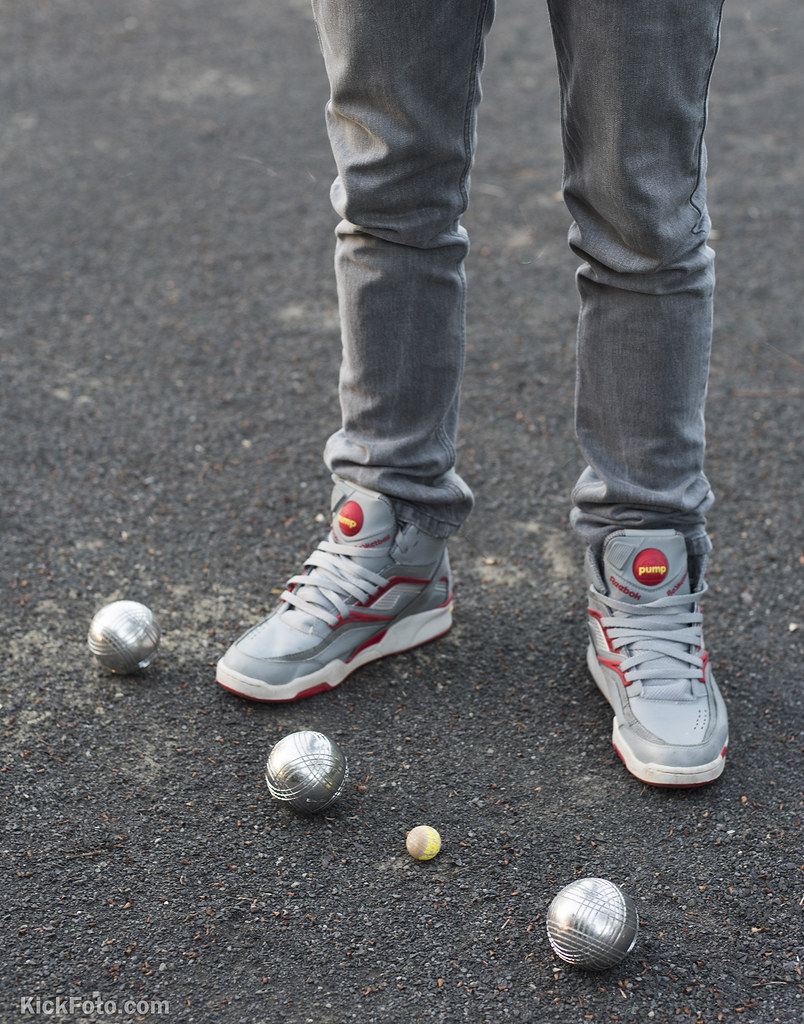
Who Invented the Reebok Pump?
The Reebok Pump is an iconic sneaker that revolutionized the athletic footwear industry. It was the first-ever shoe to have an inflatable air bladder built into it, allowing the wearer to customize the fit and feel of the shoe. But who is responsible for this innovative creation? In this article, we will dive into the history of the Reebok Pump and explore the individuals behind its invention.
## The Birth of the Reebok Pump: A Game-Changing Innovation
Before we get into the specifics of who invented the Reebok Pump, let’s take a brief look at the origins of this groundbreaking technology. The Reebok Pump was introduced to the world in 1989 and quickly gained popularity among athletes and sneaker enthusiasts alike. What set the Pump apart from other shoes of its time was its ability to provide a customized fit by inflating air bladders in the shoe’s upper, allowing the wearer to pump up the pressure for a snug and supportive feel.
### The Mastermind behind the Invention: Paul Litchfield
The man credited with inventing the Reebok Pump is Paul Litchfield, a former aerospace engineer turned Reebok employee. Litchfield joined Reebok in the early 1980s as the company’s director of advanced concepts, responsible for exploring new technologies and materials for athletic footwear. His background in engineering and his passion for sports led him to develop the idea for the Pump.
Litchfield drew inspiration from a blood pressure cuff and set out to create a shoe that could be inflated to provide a custom fit. He worked tirelessly to perfect the design, overcoming various challenges along the way. His innovative approach and dedication to creating a game-changing product eventually paid off, leading to the birth of the Reebok Pump.
### Collaborating with Co-Inventor Bob Cousins
While Paul Litchfield is often hailed as the primary inventor of the Reebok Pump, it’s important to acknowledge the role of his collaborator, Bob Cousins, in bringing the shoe to life. Cousins, a chemical engineer, joined Reebok in 1982 as the head of material development. He played a crucial part in developing the materials and engineering the air bladder technology that made the Pump possible.
Litchfield and Cousins worked closely together, combining their expertise to bring the Reebok Pump from concept to reality. Their partnership was instrumental in the successful development and launch of the shoe, firmly establishing it as a game-changer in the sneaker industry.
### The Legacy of the Reebok Pump
The introduction of the Reebok Pump shook up the athletic footwear market and forever changed the way people thought about shoe technology. Its innovative design and customizable fit set a new standard for performance footwear. The Reebok Pump became a cultural phenomenon, worn by professional athletes, celebrities, and sneaker enthusiasts worldwide.
The success of the Pump led Reebok to release various iterations and collaborations over the years, solidifying its place as one of the most iconic sneakers of all time. While the Reebok Pump wasn’t the first or only athletic shoe to incorporate air cushioning, it was the first to bring customizable fit to the forefront, paving the way for future advancements in footwear technology.
Frequently Asked Questions
Welcome to our FAQ section on the invention of the Reebok Pump. We’ve compiled some of the most common questions related to this innovative shoe technology. Read on to discover the fascinating details behind the creation of the Reebok Pump.
1. How did the idea for the Reebok Pump come about?
The idea for the Reebok Pump originated from a simple observation by Paul Litchfield, the head of advanced concepts at Reebok in the late 1980s. He noticed that by adding air to inflatable splints, they provided a customized fit for patients recovering from injuries. This sparked the idea of using the same concept for a sports shoe where athletes could adjust the fit for optimal performance.
With this insight, the Reebok Pump was born—an athletic shoe that incorporated an inflatable bladder in the tongue area to provide a personalized and custom fit for athletes.
2. When was the Reebok Pump invented?
The Reebok Pump was invented in 1989, making it one of the iconic shoe technologies of the late 20th century. Back then, it revolutionized the athletic footwear industry with its innovative design and functional features.
The initial launch of the Reebok Pump included basketball shoes, which gained immense popularity and became a symbol of cutting-edge sports technology.
3. Who was the key inventor of the Reebok Pump?
While the concept of the Reebok Pump was a collective effort, the key inventor behind this groundbreaking shoe technology is listed as Paul Litchfield. As the head of advanced concepts at Reebok, Litchfield played a crucial role in developing and bringing to life the idea of integrating an inflatable bladder into athletic footwear.
His vision and engineering expertise paved the way for the successful invention and subsequent commercialization of the Reebok Pump.
4. How did the Reebok Pump revolutionize the athletic shoe industry?
The introduction of the Reebok Pump brought a significant shift in the athletic shoe industry. With its inflatable bladder technology, athletes could now adjust the fit of their shoes to achieve optimal performance, comfort, and stability during sports activities.
Additionally, the Reebok Pump became a fashion statement, popularized by athletes and celebrities alike. Its distinct design and innovative features made it a must-have shoe for many, contributing to its cult status and shaping the future of athletic footwear.
5. What impact has the Reebok Pump had on the athletic shoe market today?
The Reebok Pump’s influence can still be felt in the athletic shoe market today. While the technology has evolved and new innovations have emerged, the concept of customizable fit and enhanced performance remains a focal point for many athletic shoe brands.
The Reebok Pump paved the way for advancements in footwear design and engineering, inspiring future innovations such as adaptable cushioning systems and personalized fit technologies. It continues to be remembered as a game-changer in the history of athletic footwear.
6.
7.
8.
9.
Summary:
You might be surprised to learn that the person who invented the Reebok Pump was a man named Paul Litchfield. He came up with the idea of adding air pumps to shoes to provide a customized fit. The first Reebok Pump shoes were released in 1989 and were a huge hit, especially with basketball players.
Paul Litchfield and his team worked hard to make the Reebok Pump a success. They used their knowledge of materials and engineering to create shoes that could be adjusted to fit each person’s foot perfectly. This innovation revolutionized the sneaker industry and paved the way for other companies to develop their own versions of pump technology. So the next time you put on a pair of Reebok Pumps, remember Paul Litchfield, the man behind this iconic shoe.
Recent Posts
Puma sneakers have different sizing depending on the specific style and model. It's recommended to check the product description or reviews for each sneaker to determine if they run small or large....
How To Lace Puma Shoes? If you're a fan of Puma shoes and want to learn how to lace them, you've come to the right place! Lacing your Puma shoes properly not only adds a stylish touch but also...