

Michael Weinstein
EntrepreneurMichael Weinstein is a seasoned writer and a dedicated expert in work safety, footwear, and popular shoe brands. With years of research and expertise, he's...Read more
Michael Weinstein
EntrepreneurMichael Weinstein is a seasoned writer and a dedicated expert in work safety, footwear, and popular shoe brands. With years of research and expertise, he's...Read more
“Where Do They Make Nike Shoes? If you’ve ever wondered about the origins of your favorite sneakers, you’ve come to the right place! Let’s dive into the fascinating world of Nike shoe production.”
“Nike, the renowned sportswear brand, has manufacturing facilities spread across several countries.”
“In this article, we’ll explore the locations where Nike shoes are made and uncover the secrets behind their global production process. Get ready for an exciting journey behind the scenes of Nike’s iconic footwear!”
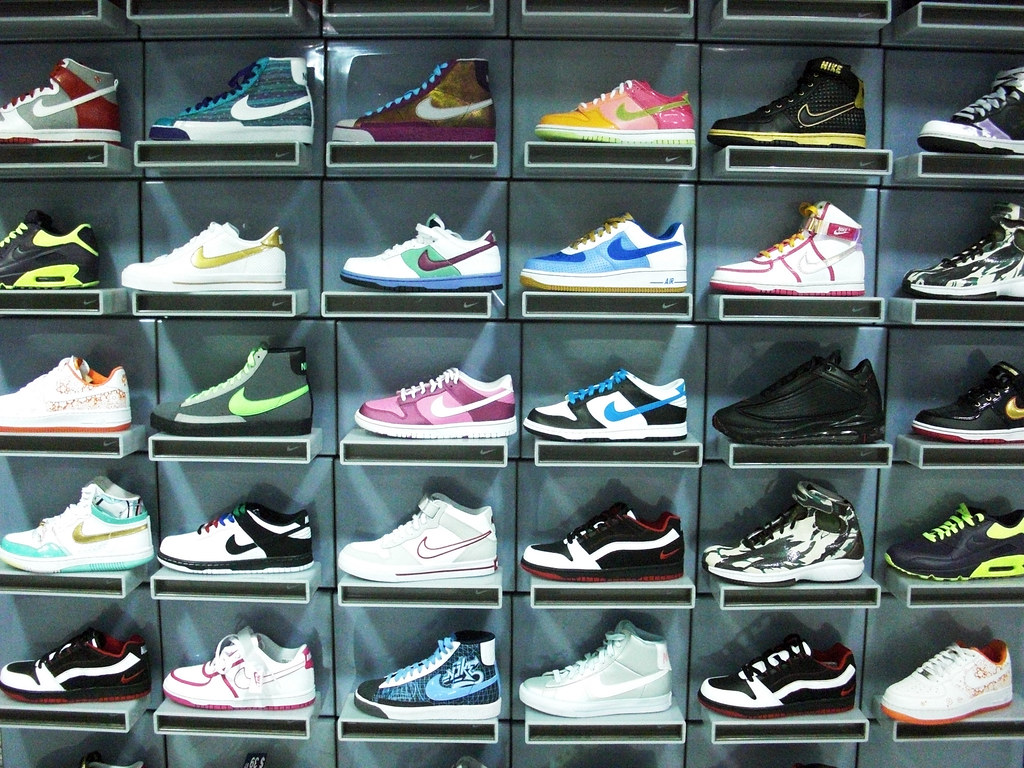
Where Do They Make Nike Shoes? Unveiling the Global Production
Nike, one of the world’s leading sports apparel and footwear brands, has captivated the hearts and soles of athletes and sneaker enthusiasts worldwide. But have you ever wondered where Nike shoes are actually made? In this article, we’ll delve into the global production of Nike shoes, exploring the locations, processes, and impact of their manufacturing operations. Join us as we unlock the secrets behind the creation of these iconic kicks.
1) The Birthplace of Nike: The United States
Nike was born in the United States, specifically in the state of Oregon. In 1964, Bill Bowerman and Phil Knight founded Blue Ribbon Sports, the precursor to Nike. Their vision was to create innovative, high-quality athletic footwear. From humble beginnings, Nike has grown to become a global powerhouse in the sports industry.
Today, Nike’s headquarters are located in Beaverton, Oregon, where their design, marketing, and administrative functions are based. While Nike’s home is in the United States, the company has a vast global manufacturing network that spans multiple countries.
2) Global Sourcing: From Asia to the Americas
Nike shoes are manufactured across the globe, with a significant portion produced in Asia. Countries such as Vietnam, China, and Indonesia have emerged as key manufacturing hubs for Nike shoes. These regions offer a combination of skilled labor, infrastructure, and cost-effectiveness, making them ideal locations for production.
Vietnam has become a crucial player in Nike’s manufacturing network. The country offers a skilled workforce, favorable trade agreements, and a stable political environment. Nike has invested heavily in manufacturing facilities and partnerships in Vietnam, contributing to the country’s economic growth.
China, with its vast population and manufacturing capabilities, is another important production center for Nike. The country has a long history of footwear production and is known for its expertise in the industry. Nike has established partnerships with Chinese manufacturers, ensuring the production of high-quality shoes.
In addition to Asia, Nike also manufactures shoes in other regions, including the Americas. Countries such as Mexico and Brazil play a significant role in the production of Nike shoes, catering to local and regional demand.
3) Ethical Manufacturing: Nike’s Commitment to Sustainability and Fair Labor
Nike is committed to ensuring ethical manufacturing practices and sustainable production. The company recognizes the importance of responsible sourcing, worker’s rights, and environmental stewardship. Over the years, Nike has implemented various initiatives to improve labor conditions and reduce its environmental footprint.
One of Nike’s major initiatives is the Sustainable Manufacturing and Sourcing Index (SMSI). This index assesses and ranks contract factories based on their sustainability performance. It evaluates factors such as water usage, energy consumption, waste management, and social impacts. By promoting transparency and accountability, Nike aims to drive positive change within its supply chain.
Furthermore, Nike is a member of the Better Cotton Initiative (BCI), which promotes sustainable cotton production. The company also emphasizes fair labor practices, ensuring that workers are treated fairly, receive fair wages, and have safe working conditions. Nike regularly audits its factories to ensure compliance with its Code of Conduct and promote responsible manufacturing.
4) Innovating the Manufacturing Process: Automation and Technology
Nike has always been at the forefront of innovation, and their manufacturing processes are no exception. The company continuously explores new technologies and techniques to enhance efficiency, quality, and sustainability in shoe production.
One area of innovation is automation. Nike has embraced automated manufacturing processes to streamline production, reduce costs, and improve consistency. Automated machines can perform tasks such as cutting, stitching, and assembly, enhancing precision and speed.
Nike has also invested in research and development to develop sustainable materials and manufacturing techniques. The brand has introduced innovative materials such as Flyknit, which reduces waste and enhances comfort. Additionally, Nike has explored 3D printing technology, enabling customized and personalized shoe production.
Through these advancements, Nike aims to revolutionize the manufacturing industry, creating a more sustainable and efficient production process that aligns with their commitment to innovation.
5) Supply Chain Challenges: Balancing Demand and Responsiveness
Nike operates on a massive scale, producing millions of shoes each year to meet global demand. Managing such a complex and extensive supply chain comes with its challenges.
One of the main challenges is balancing supply and demand. Nike needs to accurately forecast consumer demand, ensuring that the right shoes are available in the right locations at the right time. Failure to do so can result in excess inventory or shortage of popular styles, impacting the brand’s reputation and financial performance.
Another challenge is maintaining agility and responsiveness in the supply chain. Nike must swiftly adapt to market trends and consumer preferences, introducing new styles and designs quickly. This requires effective communication and collaboration across all stages of the supply chain, from sourcing raw materials to delivering finished products.
To tackle these challenges, Nike employs advanced supply chain management techniques, leveraging data analytics, and implementing demand-driven strategies. By continuously improving their supply chain operations, Nike strives to deliver exceptional customer experiences and maintain its position as a leader in the footwear industry.
6) Positive Impact: Job Creation and Economic Growth
Nike’s global manufacturing operations have a significant impact on job creation and economic growth in the countries where they operate. The footwear industry provides employment opportunities for millions of people worldwide, contributing to local economies.
Nike’s presence in countries like Vietnam and China has led to the development of manufacturing clusters, attracting investment and creating job opportunities for local communities. These jobs provide steady incomes and contribute to poverty reduction.
Additionally, Nike’s commitment to sustainable manufacturing practices promotes environmental stewardship and encourages other companies to adopt responsible production methods. By setting high standards and continuously improving their processes, Nike sets an example for the industry and drives positive change.
7) The Future of Nike Manufacturing: Embracing Innovation and Sustainability
As Nike continues to evolve, its manufacturing practices will undoubtedly embrace new technologies and sustainable approaches. The brand’s commitment to innovation and environmental responsibility will guide its manufacturing decisions.
Looking ahead, Nike will likely explore advancements in automation and robotics to further enhance efficiency and precision in production. The integration of artificial intelligence and machine learning may also play a role in optimizing manufacturing processes and supply chain management.
Sustainability will remain a key focus for Nike. The brand will continue to drive responsible sourcing, reduce waste, and promote ethical labor practices throughout its supply chain. Embracing circular economy principles and exploring alternative materials will be essential in creating a more sustainable future for Nike manufacturing.
The Impact of Nike Shoes: From Sports Performance to Cultural Phenomenon
As we’ve delved into the global production of Nike shoes, it’s clear that the brand’s impact extends far beyond manufacturing. Nike shoes have become more than just athletic footwear; they have become a cultural phenomenon, influencing fashion, sports performance, and personal expression.
1) Reigning Supreme in Sports
Nike shoes have long been associated with elite sports performance. The brand has collaborated with top athletes across various sports, providing them with innovative footwear designed to enhance their performance on the field, court, or track.
From basketball to running, Nike has introduced groundbreaking technologies that have revolutionized sports footwear. Innovations such as Air cushioning, Flywire, and Zoom Air have set new standards for comfort, support, and responsiveness, allowing athletes to reach new heights in their respective disciplines.
Nike’s commitment to innovation and performance has made its shoes the preferred choice of countless athletes, from amateurs to professionals. The brand’s shoes have become synonymous with excellence, inspiring athletes worldwide to push their limits and achieve their goals.
2) Fashion Forward: The Rise of Sneaker Culture
Beyond the realm of sports, Nike shoes have infiltrated the world of fashion, becoming an essential element of streetwear and sneaker culture. The influence of Nike extends far beyond the performance sphere, as consumers seek out iconic designs and limited edition releases to express their personal style.
Nike collaborates with renowned designers, artists, and cultural figures to create unique and highly sought-after sneaker collaborations. These collaborations blend sports heritage with cutting-edge design, resulting in footwear that effortlessly straddles the line between athletic performance and fashion.
The rise of sneaker collecting and reselling has further fueled the demand for Nike shoes. Limited edition releases attract a devoted following, with sneaker enthusiasts eagerly lining up or participating in online raffles for a chance to own these coveted kicks. The cultural significance of Nike shoes is unmistakable, with their designs and collaborations shaping trends and commanding attention in the fashion world.
3) Empowering Self-Expression and Individuality
Nike shoes have become symbols of self-expression and individuality, allowing wearers to showcase their personality and identity. The extensive range of styles, colors, and customization options offered by Nike gives consumers the freedom to curate their unique look.
Nike’s embrace of inclusivity and representation is evident in their diverse advertising campaigns and collaborations. The brand celebrates diversity in all its forms, fostering a sense of community and empowerment. Nike shoes have become much more than just footwear; they are a statement of personal values and beliefs.
Whether it’s a pair of sleek running shoes, retro-inspired basketball kicks, or fashion-forward collaborations, Nike offers something for everyone. The brand’s ability to merge sports, culture, and fashion in their shoe designs resonates with individuals seeking to express themselves authentically and stand out from the crowd.
Conclusion
The production of Nike shoes is a globally orchestrated ballet, with manufacturing taking place across various countries in Asia, the Americas, and beyond. Nike’s commitment to innovation, sustainability, and responsible manufacturing shines through in their efforts to create high-quality products while minimizing their environmental impact.
While Nike’s origins trace back to the United States, the brand’s manufacturing network stretches worldwide, leveraging the expertise, resources, and economic opportunities available in key regions. Through their global operations, Nike has not only created job opportunities and contributed to economic growth but has also left an indelible mark on sports performance, fashion, and cultural expression.
As Nike continues to innovate and champion sustainability, the future of Nike manufacturing holds the promise of even greater advancements, ensuring that Nike shoes remain at the forefront of performance, style, and self-expression. So, the next time you slip into a pair of Nike shoes, remember the global journey that went into creating the footwear that embodies the intersection of sports and culture.
Summary
So, to sum up, Nike shoes are made in various countries around the world. China is the main production hub, followed by Vietnam and Indonesia. The factories in these countries employ many people and help meet the global demand for Nike products.
The process of making Nike shoes involves multiple steps, including designing, sourcing materials, manufacturing, and quality control. Nike works with thousands of suppliers and factories to ensure that their shoes are produced ethically and meet high standards. While some people may have concerns about working conditions in overseas factories, Nike has implemented measures to address these issues and improve worker rights. They also strive to be more transparent about their supply chain. As a consumer, it’s important to be aware of where products are made and to support companies that prioritize fair labor practices.
Recent Posts
Understanding that over 2 million Americans are affected by plantar fasciitis each year highlights the significance of proper footwear. The pain and discomfort caused by this condition can derail...
Have you ever wondered why so many runners experience injuries every year? A staggering 79% of recreational runners get injured, and a major culprit is often the wrong choice of running shoes. It's...