

Michael Weinstein
EntrepreneurMichael Weinstein is a seasoned writer and a dedicated expert in work safety, footwear, and popular shoe brands. With years of research and expertise, he's...Read more
Michael Weinstein
EntrepreneurMichael Weinstein is a seasoned writer and a dedicated expert in work safety, footwear, and popular shoe brands. With years of research and expertise, he's...Read more
What happened to Reebok Pumps? If you’re a fan of 90s sneakers, you might be curious about the fate of these iconic shoes.
Well, let’s take a trip down memory lane and find out what became of Reebok Pumps. You remember those cool kicks with the inflatable chambers at the tongue, right?
Get ready to discover the rise, fall, and resurgence of Reebok Pumps as we explore the journey of these legendary sneakers.
Key Takeaways: What Happened to Reebok Pumps?
- Reebok Pumps were a popular sneaker in the 1990s.
- They featured a unique air pump technology that allowed wearers to customize the fit.
- Reebok Pumps gained popularity through sports endorsements and marketing campaigns.
- The popularity of Reebok Pumps declined in the late 1990s and early 2000s.
- The decline was due to changes in fashion trends and competition from other shoe brands.
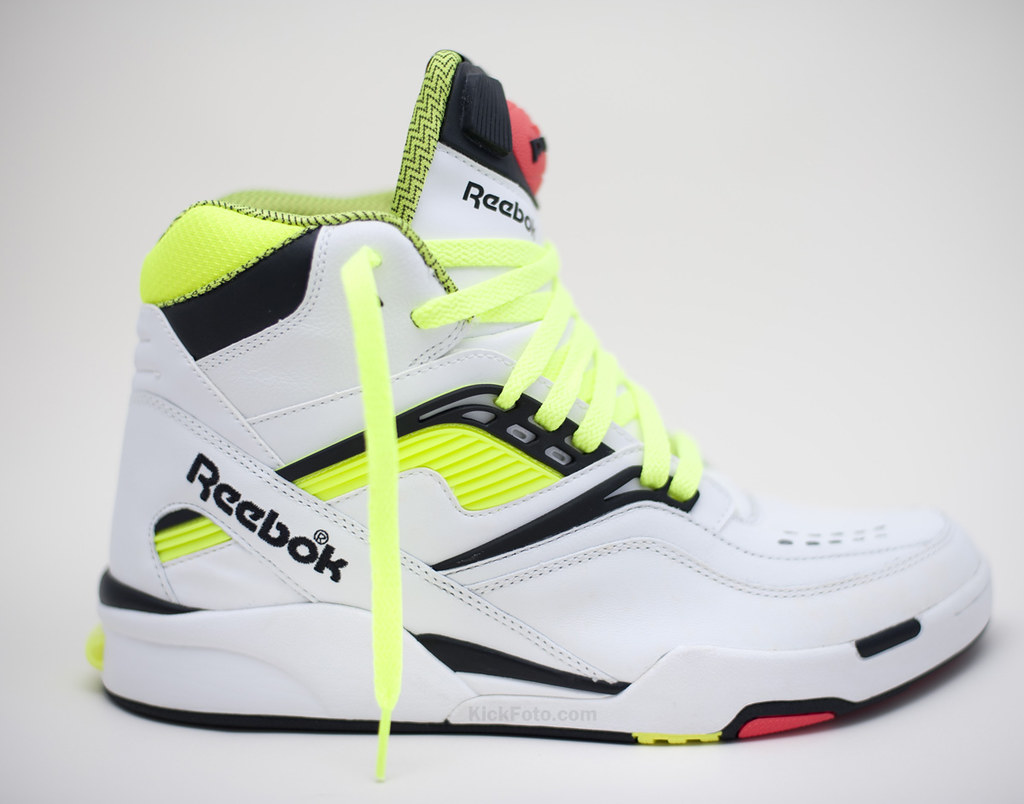
What Happened to Reebok Pumps? The Rise and Fall of an Iconic Sneaker
Reebok Pumps were a revolutionary sneaker that took the athletic footwear industry by storm in the late 1980s and early 1990s. Known for their innovative air pump technology, these shoes allowed wearers to customize the fit and provide extra support during physical activity. However, over time, the popularity of Reebok Pumps waned, and they became a relic of a bygone era. In this article, we will explore the rise and fall of Reebok Pumps, discussing their impact, their decline, and the factors that led to their disappearance from the market.
The Birth of a Game-Changer
Reebok Pumps, introduced in 1989, were originally marketed as performance basketball shoes. The key feature that made these sneakers unique was their air pump technology. Located on the tongue of the shoe, a small manual pump allowed wearers to inflate air bladders within the sneaker, providing a customized fit and added support. This innovation was a game-changer in the industry, attracting athletes and sneaker enthusiasts alike.
Reebok Pumps quickly gained popularity, aided by savvy marketing campaigns and endorsements from high-profile athletes like basketball superstar Shaquille O’Neal and tennis champion Michael Chang. The distinct design, with its futuristic aesthetic and bold color combinations, also appealed to fashion-conscious consumers. Reebok Pumps became a cultural phenomenon, adorning the feet of athletes and trendsetters across the globe.
With their rise to fame, Reebok Pumps became a status symbol. Kids and adults alike coveted these sneakers, which were not only functional but also made a bold fashion statement. They became a symbol of power, style, and attitude, embodying the spirit of the times.
The Downfall: Changing Trends and Strong Competition
As the 1990s progressed, the athletic footwear industry experienced significant changes. Consumer tastes shifted, and the demand for flashy, technologically-driven sneakers started to decline. Instead, minimalism and simplicity became the new trend, with consumers opting for sleeker, more streamlined designs.
Additionally, by the mid-1990s, Reebok faced fierce competition from other athletic footwear giants such as Nike and Adidas. These brands introduced their own innovative technologies and enticing marketing campaigns, diverting attention and interest away from Reebok Pumps. In the face of this competition, Reebok struggled to maintain relevance and lost its once-dominant position in the market.
Furthermore, the high price tag attached to Reebok Pumps, coupled with the proliferation of counterfeit sneakers, contributed to their decline. Consumers became more discerning and sought better value for their money, opting for shoes that offered superior performance and durability at a more affordable price point.
The Legacy Lives On: Nostalgia and Limited Edition Releases
Although Reebok Pumps are no longer a mainstream sneaker, their impact on popular culture has not been forgotten. The nostalgia associated with the brand has sparked a resurgence of interest in recent years, leading to limited edition releases and collaborations with high-end fashion designers. These exclusive drops have collectors and enthusiasts clamoring to get their hands on a piece of sneaker history.
Reebok has capitalized on this nostalgia, leveraging the iconic status of their Pump technology to create limited-edition releases that pay homage to the brand’s glory days. These special releases often incorporate modern design elements while staying true to the original concept behind Reebok Pumps. They serve as a reminder of the innovative spirit and cultural significance that the brand once represented.
So, while Reebok Pumps may no longer dominate the sneaker market, their legacy lives on, capturing the hearts and minds of fans who fondly remember the days when these shoes were at the forefront of athletic footwear innovation.
Staying Relevant: Reebok’s Transition and Future Outlook
As a brand, Reebok has undergone its own transformation over the years, adapting to new industry trends and evolving consumer preferences. While Reebok Pumps may have faded from the mainstream, the company continues to produce a wide range of athletic footwear, apparel, and accessories.
The Evolution of Reebok: Beyond the Pump
Throughout its history, Reebok has demonstrated the ability to reinvent itself and stay relevant. The brand has expanded its product offerings to include various sports and lifestyle categories, catering to diverse consumer preferences. Reebok has collaborated with high-profile celebrities, fashion designers, and artists to create unique and sought-after collections that resonate with today’s market.
Looking Ahead: Reebok’s Future
In recent years, Reebok has shown a commitment to sustainability and social responsibility. The brand has introduced eco-friendly materials and manufacturing processes, reflecting its dedication to environmental conservation. Reebok has also taken steps to promote inclusivity, launching initiatives that aim to make fitness and sports accessible to all.
While the future of Reebok may not be centered around the iconic Pump technology, the brand’s ability to adapt and innovate suggests that it has the potential to remain a relevant player in the athletic footwear industry. By staying true to its core values, embracing new trends, and continuing to push the boundaries of design and technology, Reebok can continue to make its mark in the ever-evolving world of sneakers.
Conclusion
Reebok Pumps may have gone from being a cultural sensation to occupying a smaller niche in today’s sneaker market, but their impact on the industry and popular culture is undeniable. The combination of innovative technology, sleek design, and cultural significance made Reebok Pumps iconic during their heyday. While their popularity may have waned, the legacy of these sneakers lives on, reminding us of a time when fashion and performance converged in a groundbreaking way.
As the sneaker industry continues to evolve, Reebok’s ability to adapt and reinvent itself will be key to its future success. Whether through limited-edition releases that tap into nostalgia or by staying at the forefront of innovation, Reebok has shown that it has what it takes to remain a relevant and influential force in the world of athletic footwear.
So, the next time you lace up your favorite pair of sneakers, take a moment to appreciate the history behind them. Reebok Pumps may have had their heyday, but their impact on sneaker culture will forever be remembered.

Frequently Asked Questions
Welcome to our FAQs on the history of Reebok Pumps! Here are some commonly asked questions about what happened to Reebok Pumps and their journey in the sneaker world.
1. How did Reebok Pumps become popular?
Reebok Pumps shot to fame in the late 1980s, captivating sneaker enthusiasts with their innovative air pressure technology. These iconic sneakers featured a manual pump on the tongue that allowed wearers to customize the fit by inflating air chambers in the shoe. The unique design and marketing strategies of Reebok Pumps captured the attention of athletes and consumers alike, propelling them to massive popularity.
However, as fashion trends and consumer preferences evolved over time, the hype surrounding Reebok Pumps gradually faded, prompting the brand to shift its focus towards other sneaker styles and technologies.
2. Are Reebok Pumps still being sold today?
While the heyday of Reebok Pumps is long gone, these sneakers have made a comeback in recent years to cater to the nostalgic demand. Reebok occasionally releases limited-edition collaborations or reissues of classic Pump models, offering fans an opportunity to relive the nostalgia or discover the iconic technology for the first time. However, their availability is often limited, and they are not produced on a large scale like they were in the past.
For those interested in owning a pair of Reebok Pumps, it’s best to keep an eye out for special releases or explore the secondary sneaker market.
3. What impact did Reebok Pumps have on the sneaker industry?
Reebok Pumps had a significant impact on the sneaker industry, introducing a new level of technology and customization. The innovative air pump system was a breakthrough in sneaker design, revolutionizing the way athletes and consumers thought about fit and comfort. Reebok Pumps set a benchmark for other brands to experiment with unique features and technologies in their own sneaker designs, leading to a wave of innovation within the industry.
Even though the popularity of Reebok Pumps has waned over time, their legacy remains as a symbol of innovation and nostalgia in the sneaker world.
4. Why did Reebok Pumps decline in popularity?
The decline in popularity of Reebok Pumps can be attributed to various factors. As fashion trends and sneaker preferences shifted, consumers began to favor different styles and technologies. Reebok also faced increased competition from other athletic shoe brands that offered their own unique features and designs. Additionally, the initial hype around the innovative Pump technology eventually waned, making it challenging for Reebok to maintain the same level of demand and popularity.
Nevertheless, Reebok Pumps will always hold a special place in sneaker history as an iconic and innovative shoe.
5. Is there a possibility of a resurgence for Reebok Pumps in the future?
While it’s difficult to predict the future, the sneaker industry has a history of cyclical trends. With the resurgence of ’90s fashion and a growing interest in retro sneakers, there is always a possibility of a resurgence for Reebok Pumps. By tapping into the nostalgia of older generations and captivating new sneaker enthusiasts, Reebok or other brands may revive the iconic Pump technology in a modern, innovative way that captures the attention and excitement of consumers once again.
Only time will tell if Reebok Pumps will experience a revival and regain their former glory.
6. Why did Reebok disappear?
Reebok’s disappearance can be attributed to a severe brand identity crisis. The company found it challenging to establish a clear brand identity, resulting in a struggle to connect with consumers. Although Reebok had gained recognition for its sports performance footwear, it made the mistake of venturing into other areas, such as fashion and lifestyle products, without a well-defined strategy or direction. This lack of focus and clarity ultimately contributed to Reebok’s decline and eventual disappearance from the market.
7. What was the point of Reebok pumps?
The Reebok Pump was a revolutionary line of athletic shoes that were introduced by Reebok on November 24, 1989. These shoes featured a groundbreaking internal inflation mechanism that allowed the wearer to regulate a unique fitting cushion in the lower and upper tongue of the shoe. This mechanism was designed to provide a customized and secure fit, particularly around the ankle, by locking it in place. The main point of the Reebok Pumps was to offer athletes and sports enthusiasts an innovative footwear technology that not only enhanced performance but also ensured maximum comfort and stability during physical activities.
8. How much did Reebok pumps cost in 1989?
In 1989, the highly anticipated Reebok Pump was released on November 24th at a price of $170. This made it the most expensive sneaker available, surpassing others on the market by approximately $70. The creation of the Pump was a groundbreaking feat, as it took a year from its conception to its release, an unprecedented timeline in the sneaker industry at that time. The Reebok Pump not only revolutionized sneaker technology but also set a new standard for pricing in the market.
9. How much were the original Reebok pumps?
The original Reebok pumps, released in November 1989, stirred up quite a buzz and controversy. Despite Reebok’s established reputation, the launch of the Pump model brought with it an astonishing price tag of $170, which was considered exorbitant for its time. Even Nike’s iconic Jordans did not dare to exceed the $100 mark. This high price point caused quite a stir among sneaker enthusiasts and consumers, making the Reebok pumps stand out not only for their innovative technology but also for their hefty price tag.
Summary
So, what happened to Reebok Pumps? Back in the 1990s, these sneakers were a big hit. People loved the air pump technology that made them feel comfy and cool. But over time, other shoe brands started to come up with their own cool features. Reebok Pumps slowly lost their popularity, and people moved on to other styles. But don’t worry, you can still find some throwback Reebok Pumps if you want to relive the nostalgia!
The lesson here is that trends and fads come and go. What’s popular today might not be popular tomorrow. Just remember to always wear shoes that make you feel comfortable and confident, whether they’re trendy or not. And who knows, maybe one day Reebok Pumps will make a big comeback!
Recent Posts
Understanding that over 2 million Americans are affected by plantar fasciitis each year highlights the significance of proper footwear. The pain and discomfort caused by this condition can derail...
Have you ever wondered why so many runners experience injuries every year? A staggering 79% of recreational runners get injured, and a major culprit is often the wrong choice of running shoes. It's...