

Michael Weinstein
EntrepreneurMichael Weinstein is a seasoned writer and a dedicated expert in work safety, footwear, and popular shoe brands. With years of research and expertise, he's...Read more
Michael Weinstein
EntrepreneurMichael Weinstein is a seasoned writer and a dedicated expert in work safety, footwear, and popular shoe brands. With years of research and expertise, he's...Read more
Are you tired of running in uncomfortable shoes? Do you find yourself in pain after every jog or run? It may be time to switch to flat shoes for running. Flat shoes, also known as minimalist shoes, have been gaining popularity in the running community for their ability to improve running form and reduce injuries.
Unlike traditional running shoes with thick soles and arch support, flat shoes have a thin sole and no heel-to-toe drop, allowing for a natural foot strike and increased ground feel. In this article, we will explore the benefits of using flat shoes for running and provide tips on how to transition to this type of footwear.
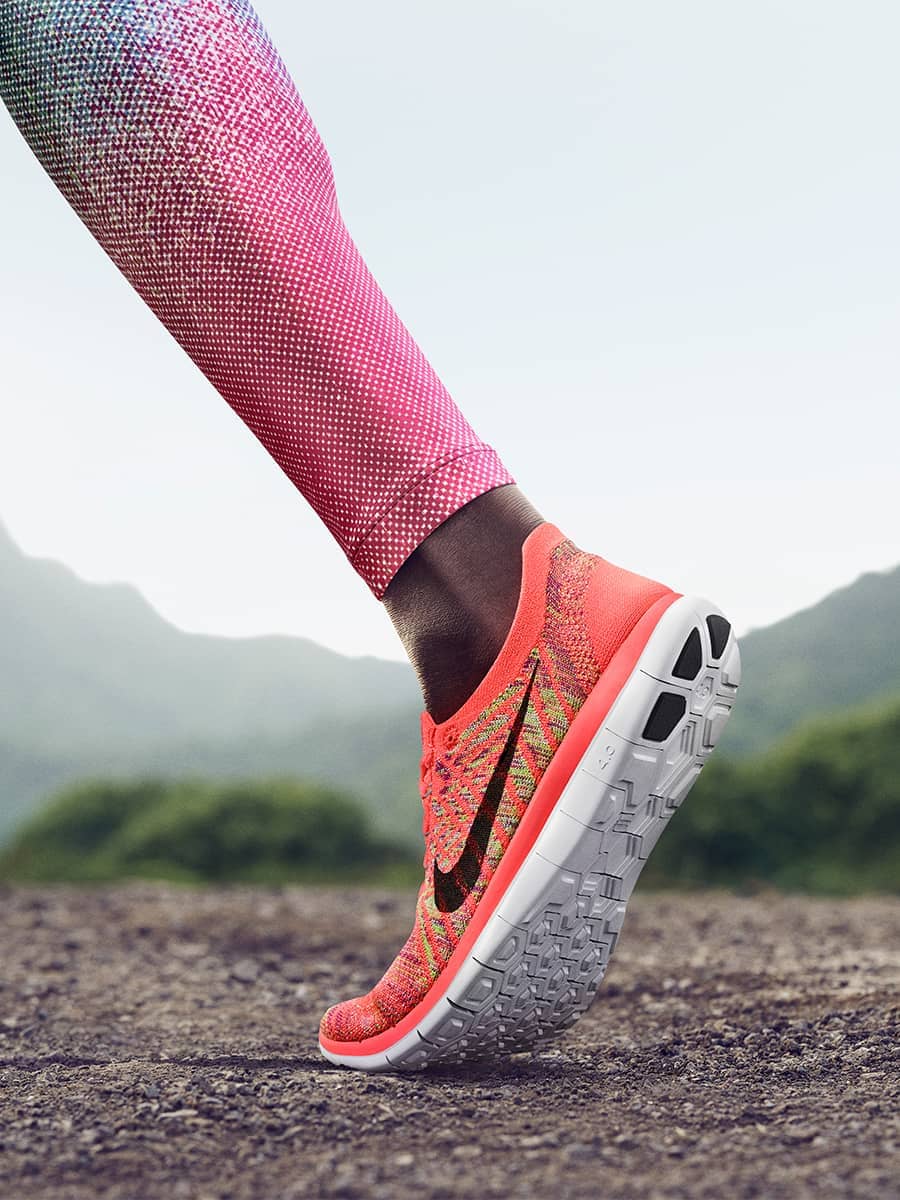
Using Flat Shoes for Running: Is it a Good Idea?
Running is a great way to stay in shape, and choosing the right shoes can make all the difference. Some runners swear by flat shoes, but is it really a good idea to use them for running? Let’s explore the pros and cons of using flat shoes for running.
The Pros of Using Flat Shoes for Running
Flat shoes, also known as minimalist shoes, are designed to mimic the feeling of running barefoot. They are lightweight, flexible, and have a thin sole that allows you to feel the ground beneath your feet. Here are some of the benefits of using flat shoes for running:
1. Improved Running Form
Flat shoes encourage a midfoot or forefoot strike, which is a more natural stride than a heel strike. This can help to reduce the impact on your joints, leading to fewer injuries and a more efficient running form.
2. Strengthen Foot and Leg Muscles
Using flat shoes for running can help to strengthen the muscles in your feet and legs. Because there is less cushioning in the sole, your body has to work harder to absorb the impact of each stride. This can lead to stronger muscles and better balance.
The Cons of Using Flat Shoes for Running
While there are many benefits to using flat shoes for running, there are also some potential drawbacks to consider:
1. Increased Risk of Injury
Because flat shoes have less cushioning in the sole, they can increase the impact on your joints. This can put you at a higher risk of developing injuries such as stress fractures, plantar fasciitis, and Achilles tendonitis.
2. Requires a Transition Period
If you’re used to running in traditional running shoes, it can take some time to adjust to using flat shoes. Your muscles and joints need to adapt to the new running form, which can take several weeks or even months.
Flat Shoes vs. Traditional Running Shoes
When it comes to choosing between flat shoes and traditional running shoes, there are a few key differences to keep in mind:
1. Cushioning
Traditional running shoes typically have more cushioning in the sole, which can help to absorb impact and reduce the risk of injury. Flat shoes have less cushioning, but they are designed to encourage a more natural running form.
2. Heel-to-Toe Drop
The heel-to-toe drop is the difference in height between the heel and the forefoot of the shoe. Traditional running shoes typically have a higher heel-to-toe drop, which can encourage a heel strike. Flat shoes have a lower heel-to-toe drop, which encourages a midfoot or forefoot strike.
The Bottom Line
Using flat shoes for running can be a good idea if you’re looking to improve your running form and strengthen your leg muscles. However, it’s important to take the time to transition to flat shoes and listen to your body to avoid injury. If you’re unsure whether flat shoes are right for you, speak to a running coach or podiatrist for advice.
Frequently Asked Questions
Here are some common questions and answers regarding using flat shoes for running:
What are flat shoes?
Flat shoes are shoes that have little to no heel drop, meaning there is little to no difference in height between the heel and toe of the shoe. These types of shoes are often used for weightlifting, but can also be used for running.
When using flat shoes for running, it is important to note that they may not provide as much cushioning or support as traditional running shoes. This can increase the risk of injury, especially for those with pre-existing foot or ankle conditions.
What are the benefits of using flat shoes for running?
Using flat shoes for running can help strengthen the muscles in your feet and lower legs. They also promote a more natural foot strike, which can improve running form and reduce the risk of injury. Additionally, flat shoes tend to be lighter and more flexible than traditional running shoes, allowing for a greater range of motion and more efficient running.
However, it is important to gradually transition to using flat shoes for running, as they may put more stress on your feet and lower legs than traditional running shoes. This can increase the risk of injury if you do not allow your body time to adapt to the change.
Are flat shoes suitable for all types of runners?
No, flat shoes may not be suitable for all types of runners. They are generally recommended for experienced runners with a strong base of foot and leg strength. Those with pre-existing foot or ankle conditions may also want to avoid using flat shoes for running, as they may exacerbate these conditions.
It is important to consult with a healthcare professional or running coach before making the switch to flat shoes for running, as they can help determine if they are appropriate for your individual needs and abilities.
How do I transition to using flat shoes for running?
Transitioning to using flat shoes for running should be done gradually over several weeks or months. Start by incorporating them into your workouts for shorter distances and lower intensity runs. As your body adapts to the change, gradually increase the distance and intensity of your runs.
It is important to listen to your body and take it slow when transitioning to flat shoes for running, as doing too much too soon can increase the risk of injury.
What should I look for when choosing flat shoes for running?
When choosing flat shoes for running, look for shoes that have a wider toe box, as this allows your toes to spread out and engage the muscles in your feet. The shoes should also be flexible and lightweight, with little to no heel drop.
It is also important to choose shoes that fit well and provide adequate support and cushioning for your individual needs. Try on several different pairs and brands to find the best fit for you.
cushion vs barefoot running (what i learned after 3 years)
In conclusion, using flat shoes for running can have both benefits and drawbacks. The minimalist design and lack of cushioning can help improve foot strength and natural running form, but it may also increase the risk of injuries for those who are not used to this type of footwear.
However, if you are interested in trying flat shoes for running, it is important to start slowly and gradually build up your distance and intensity. It is also crucial to pay attention to your body and listen to any warning signs of pain or discomfort.
Ultimately, the decision to switch to flat shoes for running is a personal one that should be made based on your individual needs and preferences. It is always a good idea to consult with a medical professional or experienced runner before making any major changes to your running routine.
Recent Posts
Understanding that over 2 million Americans are affected by plantar fasciitis each year highlights the significance of proper footwear. The pain and discomfort caused by this condition can derail...
Have you ever wondered why so many runners experience injuries every year? A staggering 79% of recreational runners get injured, and a major culprit is often the wrong choice of running shoes. It's...