

Michael Weinstein
EntrepreneurMichael Weinstein is a seasoned writer and a dedicated expert in work safety, footwear, and popular shoe brands. With years of research and expertise, he's...Read more
Michael Weinstein
EntrepreneurMichael Weinstein is a seasoned writer and a dedicated expert in work safety, footwear, and popular shoe brands. With years of research and expertise, he's...Read more
New Balance is a well-known brand in the athletic shoe industry, known for its high-quality products and unique designs. Many people wonder if New Balance is privately owned or if it is under the ownership of a larger corporation. This question has been the subject of much speculation, and in this article, we will explore the ownership of New Balance in detail.
Whether you are a fan of New Balance shoes or just interested in the business side of the industry, understanding the ownership of a company can provide valuable insight into its values, goals, and operations. So, let’s delve into the ownership of New Balance and uncover the truth behind this popular brand.
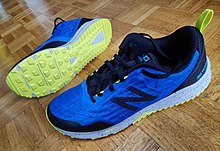
Is New Balance Privately Owned?
New Balance is a popular American footwear brand that has been in existence for over a century. The brand is synonymous with high-quality, durable, and comfortable shoes that cater to different sports activities and lifestyles. New Balance has always maintained a unique identity as a company that values its independence and has been known to be a privately-owned business. In this article, we will explore whether New Balance is privately owned or not and how this affects the brand’s operations and reputation.
Overview of New Balance
New Balance is a Boston-based footwear company that was founded in 1906 by William J. Riley. The company started as a small arch support company that later transitioned into producing sneakers in the 1930s. New Balance is known for producing high-quality sneakers that cater to different sports activities, such as running, walking, and hiking. The brand has over the years gained a reputation for producing comfortable, durable, and stylish shoes that appeal to a wide range of audiences.
Ownership Structure of New Balance
New Balance is a privately-owned company that is run by the Davis family. The company has remained a family-owned business for over a century and has maintained its independence by not going public. The Davis family has always maintained that being privately owned allows them to make decisions that are in the best interest of the company and its employees without the pressure of meeting shareholders’ demands. This has allowed the brand to maintain its identity and focus on producing high-quality shoes without compromising on its values.
Benefits of Being Privately Owned
Being privately owned has several benefits for New Balance, which include:
Ability to Make Long-Term Decisions:
New Balance can make long-term decisions that are not influenced by quarterly earnings reports or stock prices. This allows the company to focus on creating products that are of high quality and meet the needs of its customers without worrying about short-term gains.
Freedom to Innovate:
Being privately owned allows New Balance to innovate and experiment with new technologies and designs without worrying about the risks associated with failure. This allows the brand to stay ahead of its competitors and maintain its position as a leader in the footwear industry.
Strong Company Culture:
New Balance has a strong company culture that is built on its values of integrity, teamwork, and excellence. Being privately owned allows the company to maintain this culture and ensure that all employees are aligned with the brand’s mission and values.
New Balance Vs. Competitors
New Balance has always been known for producing high-quality shoes that cater to different sports activities and lifestyles. The brand has a unique identity that sets it apart from its competitors. Some of the ways that New Balance compares to its competitors include:
Focus on Quality over Quantity:
New Balance focuses on producing high-quality shoes that are durable, comfortable, and stylish. The brand does not compromise on quality, and this sets it apart from its competitors, who may focus on producing shoes in large quantities without paying attention to the quality.
Strong Company Culture:
New Balance has a strong company culture that is built on its values of integrity, teamwork, and excellence. This allows the company to maintain a loyal customer base and attract employees who are aligned with its mission and values.
Independence:
New Balance is a privately-owned company that has maintained its independence for over a century. This allows the brand to make decisions that are in the best interest of the company and its employees without the pressure of meeting shareholders’ demands.
Frequently Asked Questions
What is the ownership structure of New Balance?
New Balance is a privately owned company, meaning it is not publicly traded on the stock market. The company is owned by Jim Davis, who purchased it in 1972. Davis and his family remain the sole owners of New Balance.
As a privately owned company, New Balance has more control over its operations and is not subject to the same financial reporting requirements as publicly traded companies. This allows the company to focus on its long-term goals rather than short-term financial results.
Does New Balance have any outside investors?
No, New Balance does not have any outside investors. The company is solely owned by the Davis family, who have been involved in the company since its inception in 1906. This has allowed New Balance to maintain its independence and focus on its core values of quality and innovation.
While the company has had opportunities to go public or take on outside investors, it has chosen to remain a private company. This allows New Balance to make decisions that are in the best interest of the company and its customers, rather than shareholders.
How does New Balance’s ownership structure impact its products?
New Balance’s ownership structure allows the company to prioritize quality over short-term financial gains. Because it is not publicly traded, New Balance does not have to answer to shareholders who may be more interested in profits than product quality.
This allows the company to invest in research and development, ensuring that its products are innovative and of the highest quality. Additionally, as a privately owned company, New Balance has more control over its supply chain, allowing it to ensure that its products are ethically produced.
What advantages does being a privately owned company offer New Balance?
Being a privately owned company allows New Balance to make decisions that are in the best interest of the company and its customers, rather than shareholders. This allows the company to prioritize quality over short-term financial gains.
Addtionally, as a privately owned company, New Balance has more control over its operations and supply chain. This allows the company to be more agile and react more quickly to changes in the market. It also allows New Balance to maintain its independence and focus on its core values of quality and innovation.
Is New Balance’s ownership structure unique in the athletic footwear industry?
Yes, New Balance’s ownership structure is unique in the athletic footwear industry. Most of its competitors, such as Nike and Adidas, are publicly traded companies that answer to shareholders and are driven by short-term financial results.
New Balance’s privately owned status allows it to differentiate itself from its competitors by prioritizing quality over short-term profits. This has helped New Balance build a loyal customer base that values the company’s commitment to innovation and ethical production.
Why Do SNEAKERHEADS Love New Balance?
In conclusion, New Balance is indeed a privately owned company. This means that the company is not publicly traded on any stock exchange. While this might limit the number of investors that can buy shares in the company, it also means that the owners have complete control over the direction of the business.
Being privately owned also allows New Balance to make decisions based on their values and beliefs rather than solely on financial gain. This has allowed the company to maintain its commitment to producing high-quality products in the United States, which has been a hallmark of the brand since its inception.
Overall, New Balance’s private ownership is a key aspect of the company’s success and growth. By remaining true to its values and vision, the company has carved out a unique place in the highly competitive athletic footwear market. As a result, New Balance has become a beloved brand among athletes and consumers alike, proving that being privately owned can be a strength rather than a weakness.
Conclusion
In conclusion, New Balance is a privately-owned company that has maintained its independence for over a century. This has allowed the brand to focus on producing high-quality shoes that cater to different sports activities and lifestyles without compromising on its values. Being privately owned has several benefits for New Balance, including the ability to make long-term decisions, freedom to innovate, and maintaining a strong company culture. The brand compares favorably to its competitors, and its unique identity sets it apart in the footwear industry.
Recent Posts
Puma sneakers have different sizing depending on the specific style and model. It's recommended to check the product description or reviews for each sneaker to determine if they run small or large....
How To Lace Puma Shoes? If you're a fan of Puma shoes and want to learn how to lace them, you've come to the right place! Lacing your Puma shoes properly not only adds a stylish touch but also...