

Michael Weinstein
EntrepreneurMichael Weinstein is a seasoned writer and a dedicated expert in work safety, footwear, and popular shoe brands. With years of research and expertise, he's...Read more
Michael Weinstein
EntrepreneurMichael Weinstein is a seasoned writer and a dedicated expert in work safety, footwear, and popular shoe brands. With years of research and expertise, he's...Read more
How To Identify Fake Puma Shoes? If you’re a fan of stylish and comfortable footwear, then Puma shoes are likely on your radar. But with the rise of counterfeit products, it’s important to know how to spot fake Puma shoes to ensure you’re getting the real deal. In this guide, we’ll share some valuable tips to help you authenticate your Puma shoes and avoid falling victim to counterfeit scams. Let’s dive in!
First and foremost, pay attention to the details. Authentic Puma shoes are known for their high-quality craftsmanship, so any discrepancies should raise a red flag. Check the stitching, logos, and overall construction for any signs of poor workmanship or inconsistencies. Genuine Puma shoes have precise stitching, clean lines, and accurate placement of logos and branding elements.
Another clue to look for is the packaging. Authentic Puma shoes come in sturdy, well-designed boxes with high-quality printing. Counterfeit shoes, on the other hand, often have flimsy packaging, misspelled words, or blurred images. Keep an eye out for these signs as they can indicate that you’re dealing with a fake pair of Puma shoes.
- Inspect the logo: Authentic Puma shoes will have a clear and well-defined logo that is evenly stitched.
- Check the quality: Genuine Puma shoes are made with high-quality materials, while fakes may have cheap and flimsy materials.
- Examine the stitching: Look for neat and consistent stitching throughout the shoes, an indicator of authenticity.
- Verify the packaging: Legitimate Puma shoes will come in a sturdy box with the correct branding and labeling.
- Compare prices: If the price seems too good to be true, it’s likely a red flag for counterfeit shoes.
Key Takeaways: How to Identify Fake Puma Shoes?
- Check the quality of the shoes – real Puma shoes are made with high-quality materials and have sturdy construction.
- Look for the Puma logo – authentic shoes will have a clear and well-defined logo, while fakes may have blurry or poorly printed logos.
- Inspect the stitching – genuine Puma shoes have clean and precise stitching, whereas counterfeit shoes may have sloppy or uneven stitching.
- Examine the packaging – original Puma shoes come in a branded box with detailed labeling, whereas knockoffs may have generic or misspelled packaging.
- Buy from authorized retailers – purchasing Puma shoes from authorized stores or the official Puma website reduces the risk of buying fake products.
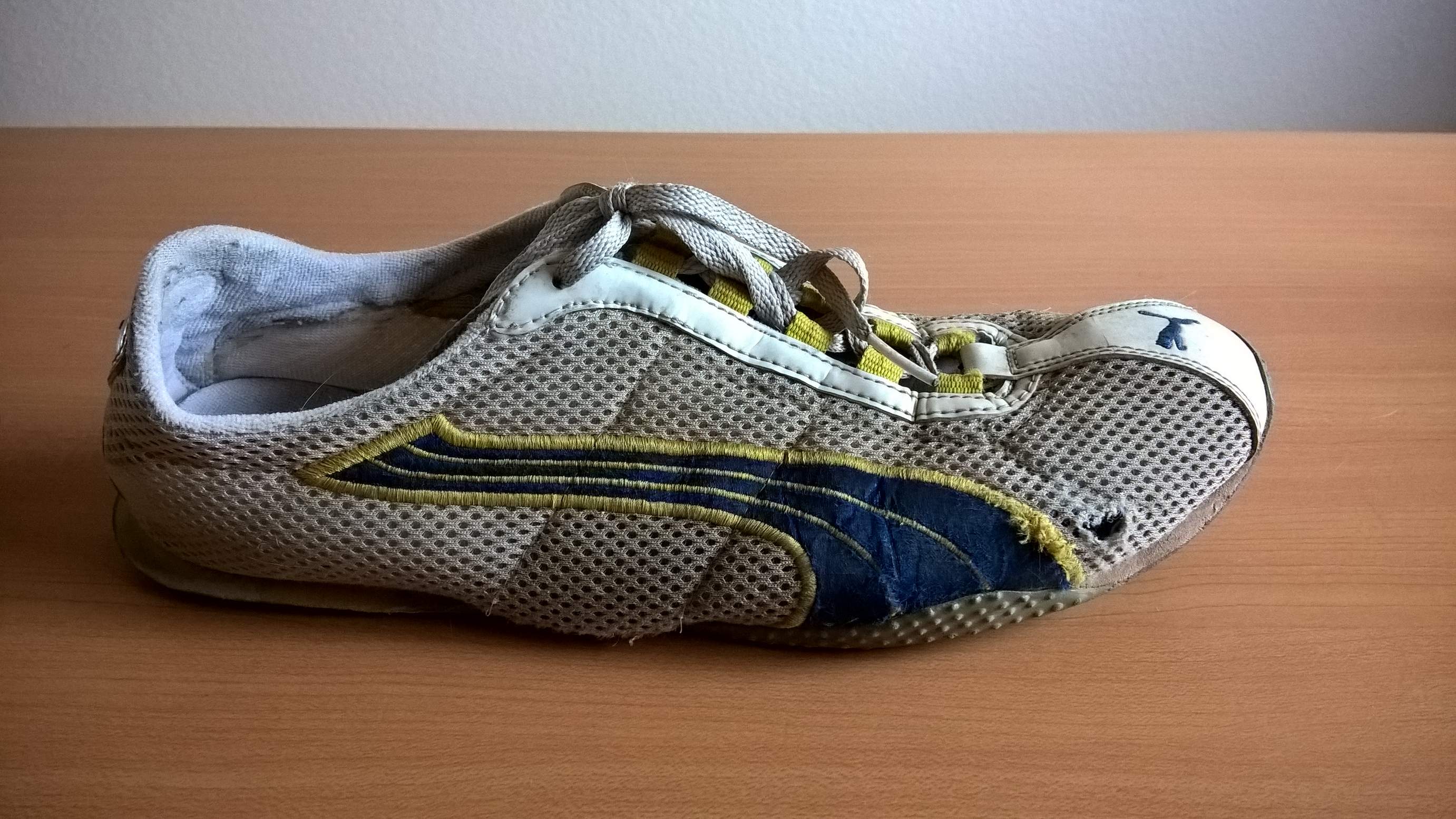
How to Identify Fake Puma Shoes?
Puma is a popular brand known for its high-quality athletic shoes. However, counterfeit Puma shoes have flooded the market, making it difficult to distinguish between genuine and fake products. In this article, we will guide you on how to identify fake Puma shoes to ensure that you are getting the authentic product you desire.
1. Check the Quality of Materials
When evaluating the authenticity of Puma shoes, start by examining the materials used. Genuine Puma shoes are made with high-quality materials, while counterfeit ones often use cheaper substitutes. Look for signs of inferior materials such as poorly stitched seams, flimsy soles, and overall low-quality construction. Genuine Puma shoes will have solid construction, with attention to detail and durability.
Another aspect to pay attention to is the logo and branding on the shoe. Authentic Puma shoes will have clear, well-defined logos and branding. Counterfeit shoes may have blurred or smudged logos, incorrect font sizes, or poorly applied branding. Compare the official Puma logo with the one on the shoe to spot any discrepancies.
Spotting Counterfeit vs. Authentic Materials
Counterfeit materials in Puma shoes often lack the durability and performance of the original. They may wear out quickly, tear easily, or show signs of poor craftsmanship. Genuine Puma shoes, on the other hand, are made with high-quality fabrics, leathers, and rubber soles that are built to last. When comparing materials, look for discrepancies in texture, color, and overall quality.
2. Examine the Stitching and Glue
The stitching and glue used in the construction of Puma shoes can provide valuable insights into their authenticity. Genuine Puma shoes have neat and precise stitching, with no loose threads or uneven patterns. The stitches will appear consistent throughout the shoe, showcasing the brand’s commitment to quality.
In contrast, counterfeit Puma shoes often have shoddy stitching and glue jobs. Look for uneven stitches, loose threads, or visible glue marks. Poorly glued soles or misaligned stitching are common signs of fake Puma shoes. Examine the shoe carefully, paying attention to the small details. Authentic Puma shoes will exhibit excellent craftsmanship in the stitching and glue work.
Identifying Fake Stitching and Glue Work
Fake Puma shoes may have stitching that is uneven, with loose threads protruding or stitching that appears haphazardly done. The glue used in counterfeit shoes may be visible, messy, or unevenly applied. Additionally, fake shoes may have glue marks around the edges or areas where the components are joined together. Compare the stitching and glue work of the shoe in question with official product images or genuine Puma shoes to spot any discrepancies.
3. Verify the Packaging
Another important aspect to consider when identifying fake Puma shoes is the packaging they come in. Genuine Puma shoes are typically packaged in a sturdy box with the brand logo prominently displayed. The packaging should be of high quality, with clear printing and no signs of damage.
Counterfeit shoes often come in flimsy or poorly designed boxes. The printing on the box may be blurry, faded, or smudged. Additionally, fake shoes may not include important details such as size, model number, or barcode on the packaging. Always compare the packaging of the shoes you are purchasing with images of genuine Puma shoe boxes to ensure authenticity.
Spotting Fake Packaging
Fake Puma shoe boxes may exhibit poor print quality, including blurred or smudged logos and text. Check for misspellings or incorrect information on the packaging. Counterfeit packaging may also lack important details such as the size chart, country of manufacture, or proper color representation. Pay attention to these small details to avoid falling victim to fake Puma shoes.
4. Purchase from Authorized Retailers
One of the most foolproof methods to ensure you are buying genuine Puma shoes is to purchase them from authorized retailers. Official Puma stores and reputable retailers are more likely to sell authentic products. Avoid purchasing from unknown or suspicious websites, as they are more likely to sell counterfeit goods.
When shopping online, verify the retailer’s authenticity by checking their reputation, customer reviews, and certifications. Look for authorized retailer badges or partnerships with the brand. If you are purchasing from a physical store, ensure that it is an authorized Puma retailer by visiting the official Puma website or contacting their customer service.
The Benefits of Buying from Authorized Retailers
Buying from authorized retailers guarantees that you are getting genuine Puma shoes. Authorized retailers have direct access to the brand’s inventory and adhere to the company’s quality standards. They also offer warranties and excellent customer service, ensuring a smooth shopping experience. By purchasing from authorized sources, you can have peace of mind knowing that you are investing in authentic and high-quality Puma shoes.
5. Seek Expert Advice
If you are unsure about the authenticity of a particular pair of Puma shoes, it can be helpful to seek expert advice. There are dedicated communities and forums where experienced collectors and enthusiasts can assist in verifying the authenticity of your shoes. Online platforms such as Reddit have specific subreddits where members can provide their expertise on spotting fake Puma shoes.
Another option is to take your shoes to a Puma retail store or authorized dealer and ask for their opinion. The employees at these locations are trained to identify counterfeit products and can help you determine the authenticity of your shoes.
Benefits of Seeking Expert Advice
Seeking expert advice allows you to tap into the knowledge and experience of individuals who are well-versed in authenticating Puma shoes. They can provide valuable insights, point out specific details to look for, and guide you in differentiating fake from genuine products. By seeking expert advice, you increase your chances of making an informed purchasing decision and avoiding counterfeit Puma shoes.
Statistical Fact
According to a study conducted by the International AntiCounterfeiting Coalition (IACC), counterfeit footwear accounted for 22% of all counterfeit goods seized globally in 2020. This highlights the importance of being able to identify fake Puma shoes and protect consumers from falling into the trap of counterfeit merchandise.
Remember, purchasing counterfeit goods not only compromises the brand’s reputation but also deprives you of the quality, comfort, and durability that genuine Puma shoes offer. By following these guidelines and staying vigilant, you can confidently differentiate between fake and authentic Puma shoes, ensuring that you are investing in the real deal.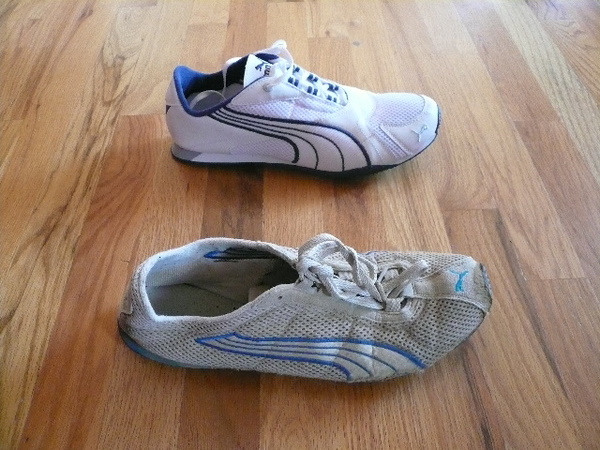
Frequently Asked Questions
Welcome to our guide on how to identify fake Puma shoes. Here, we will provide answers to some common questions to help you spot counterfeit Puma footwear and make informed purchasing decisions.
1. How can I tell if my Puma shoes are genuine?
To determine the authenticity of Puma shoes, examine the overall quality of the product. Genuine Puma shoes are made with high-quality materials and show attention to detail. Look for consistent stitching, precise logos, and proper alignment of all elements. Additionally, check for the unique product codes and make sure they match Puma’s official code format.
Another helpful tip is to buy Puma shoes from authorized retailers or the official Puma website to ensure you are getting an authentic product.
2. What are some common signs of fake Puma shoes?
Counterfeit Puma shoes often have noticeable discrepancies compared to genuine ones. Look out for poor stitching, uneven or faded logos, and misspelled words on labels or the shoe itself. Fake Puma shoes may also have lower-quality materials, such as cheap-looking leather or flimsy soles.
Additionally, be cautious of significantly discounted prices or sellers offering large quantities of Puma shoes. If the deal seems too good to be true, it’s likely the shoes are not genuine.
3. Are there specific features I should check on Puma shoes?
Yes, there are a few key features to inspect when trying to identify fake Puma shoes. First, examine the Puma logo on the tongue and sides of the shoes. The genuine logo should be crisp, clear, and well-defined. Counterfeit logos may appear blurry, pixelated, or distorted.
Additionally, check the quality of the packaging and any accompanying labels or tags. Genuine Puma shoes often come in a sturdy box with proper branding and informational inserts. Fake shoes may have flimsy packaging or generic labels.
4. Can I rely on online product images to determine authenticity?
While online product images can provide some insight, they shouldn’t be the sole basis for determining the authenticity of Puma shoes. Counterfeiters can manipulate images or use stock photos of genuine products. It’s always best to rely on multiple factors, such as reviews, seller reputation, and physical inspection, to make an informed decision.
If possible, try to see the shoes in person or request additional photos from the seller to get a better idea of their quality and authenticity.
5. What should I do if I suspect I have fake Puma shoes?
If you believe you have purchased counterfeit Puma shoes, it’s important to take action. Start by contacting the seller and expressing your concerns. Request a refund or return if possible, especially if the shoes were advertised as authentic.
If the seller is uncooperative or if you need further assistance, reach out to Puma customer service or the official Puma website. They can provide guidance and help verify the authenticity of your shoes. Taking these steps can help protect yourself and other consumers from counterfeit products.
6. Are Puma shoes made in Vietnam original or fake?
Puma shoes made in Vietnam can be both original and fake. The authenticity of the shoes depends on whether they have been manufactured by Puma or not. The original Puma shoes can be made in various countries including China, Vietnam, Cambodia, Bangladesh, or Indonesia. It is important to look for the original labels on the shoes, such as “Made in Vietnam,” among others. However, it’s important to note that the availability of specific countries may vary depending on the store. Additionally, one should pay attention to the protective paper that often accompanies authentic Puma shoes.
7. How do you know if shoes are original?
To determine the authenticity of shoes, one can inspect the inside of the shoe, specifically under the tongue or on the side, where a tag is usually located. If this tag is missing, it provides evidence of the shoe’s originality. The tag typically contains important information such as the shoe’s size and place of manufacture. However, the most crucial detail to look for is the serial code, also known as the SKU. This unique code serves as a key indicator of the shoe’s authenticity.
8. Is Puma Made in China original?
Puma, a renowned brand known for its clothing, shoes, and other apparel, sources over 90% of its products from China. While Vietnam plays a significant role in the production of their shoes, it is China that primarily contributes to Puma’s clothing line. In an effort to maintain transparency and simplicity, Puma prioritizes the trust and satisfaction of its audience. To ensure the ethical manufacturing of their products, the brand takes proactive measures by conducting frequent external audits at their manufacturing factories. This commitment to quality control and accountability underscores Puma’s dedication to providing original and authentic products to its customers.
9. What is the original logo of Puma?
The original logo of Puma, the shoe manufacturing company, was introduced in 1948. The logo featured a leaping Puma cat as its main design element. The distinctive feature of the logo was the puma jumping across the large letter D, which was spaced thinly. The letter D represented the company’s founder, Rudolf Dassler. This logo design showcased the brand’s athletic and dynamic image, capturing the essence of Puma’s innovative sports footwear.
Summary
If you want to spot fake Puma shoes, there are a few important things to remember. Firstly, always buy from authorized sellers and check for a hologram on the box or tag. Genuine Puma shoes will have a logo that is clear and well-defined, while fake ones may have blurry or poorly made logos. Additionally, examine the stitching carefully, as authentic Puma shoes will have neat and even stitching, whereas counterfeit shoes may have sloppy or uneven stitching. Finally, consider the price; if a deal seems too good to be true, it probably is!
In conclusion, it’s crucial to be cautious when purchasing Puma shoes and take the necessary steps to identify fakes. Remember to buy from reliable sources, check for holograms and quality logos, inspect the stitching, and be mindful of suspiciously low prices. By following these tips, you can ensure you’re getting genuine Puma shoes and avoid falling for counterfeit products.
Recent Posts
Understanding that over 2 million Americans are affected by plantar fasciitis each year highlights the significance of proper footwear. The pain and discomfort caused by this condition can derail...
Have you ever wondered why so many runners experience injuries every year? A staggering 79% of recreational runners get injured, and a major culprit is often the wrong choice of running shoes. It's...