

Michael Weinstein
EntrepreneurMichael Weinstein is a seasoned writer and a dedicated expert in work safety, footwear, and popular shoe brands. With years of research and expertise, he's...Read more
Michael Weinstein
EntrepreneurMichael Weinstein is a seasoned writer and a dedicated expert in work safety, footwear, and popular shoe brands. With years of research and expertise, he's...Read more
How To Authenticate Nike Shoes? If you love Nike shoes, chances are you want to make sure the ones you buy are genuine. With the rise of counterfeit products, it’s important to know how to tell if your Nike shoes are authentic or not. But don’t worry, we’re here to help!
In this guide, we’ll walk you through the steps to authenticate your Nike shoes like a pro. Whether you’re purchasing from a retailer or a reseller, knowing the key indicators of authenticity will give you peace of mind. So let’s dive in and learn how to spot the real deal!
From checking the quality of the materials to examining the details of the shoe, we’ll share insider tips that will help you become an expert in authenticating Nike shoes. So, get ready to protect yourself from counterfeit sneakers and ensure you’re always rocking the real thing.
1. Check the box: Ensure that the box has a high-quality print, barcode, and correct labeling.
2. Examine the shoe’s quality: Assess the stitching, materials, and overall craftsmanship.
3. Inspect the Nike logo: Look for proper font, placement, and detailing.
4. Verify the SKU and model number: Cross-reference them with official Nike sources.
5. Authenticate the details: Compare the shoe’s features with authentic Nike shoes using reliable resources.
Remember, thorough research is key to ensuring the authenticity of your Nike shoes.
Key Takeaways – How to Authenticate Nike Shoes?
- Look for the quality of the materials used in the shoes.
- Check for the presence of official Nike tags, labels, and logos.
- Verify the authenticity of the shoebox, including the label and printing.
- Examine the stitching and craftsmanship for any signs of poor quality or inconsistencies.
- Compare the shoes to authentic photos and product details from reliable sources.
How to Authenticate Nike Shoes: A Comprehensive Guide
Nike shoes are a popular choice for many sneaker enthusiasts and collectors. However, with their popularity comes the risk of counterfeit products flooding the market. It’s important to be able to distinguish between authentic Nike shoes and fake ones to ensure you’re getting the real deal. In this article, we will provide you with a detailed guide on how to authenticate Nike shoes, so you can make informed purchases and protect yourself from scams.
1. Examining the Packaging
When it comes to authenticating Nike shoes, the packaging can provide valuable clues. Pay close attention to the box and any accompanying materials. Authentic Nike shoes usually come in sturdy, high-quality packaging with sharp, clear printing. Look for the iconic Nike logo, correct font and spacing, and high-resolution images. Counterfeit shoes often have flimsy boxes with faded or blurry printing, misspellings, or incorrect logos. Additionally, authentic Nike shoes come with tags, labels, and authenticating stickers that add to the overall packaging presentation.
Inspecting the box label is also crucial. Authentic Nike shoe boxes feature a label with the shoe’s model name, colorway, size, barcode, and a style number. This information should match the details on the shoes themselves. Counterfeit shoes might have inconsistencies or errors in the labeling, such as different font styles or misspelled words. It’s also worth noting that genuine Nike shoe boxes often have a sticker with a barcode that matches the one on the label.
Lastly, examine any included accessories or extras, like spare shoelaces or a dust bag, if applicable. Genuine Nike shoes usually come with high-quality extras that match the brand’s standards, whereas counterfeit items may have accessories that are poorly made or of lower quality.
2. Authenticating the Design and Construction
The design and construction of Nike shoes can reveal a lot about their authenticity. Start by examining the overall appearance and quality of the shoes. Authentic Nike shoes exhibit excellent craftsmanship, with precise stitching, clean lines, and attention to detail. Counterfeit shoes may have sloppy stitching, uneven patterns, or glue stains. Look out for any signs of poor quality materials or subpar workmanship.
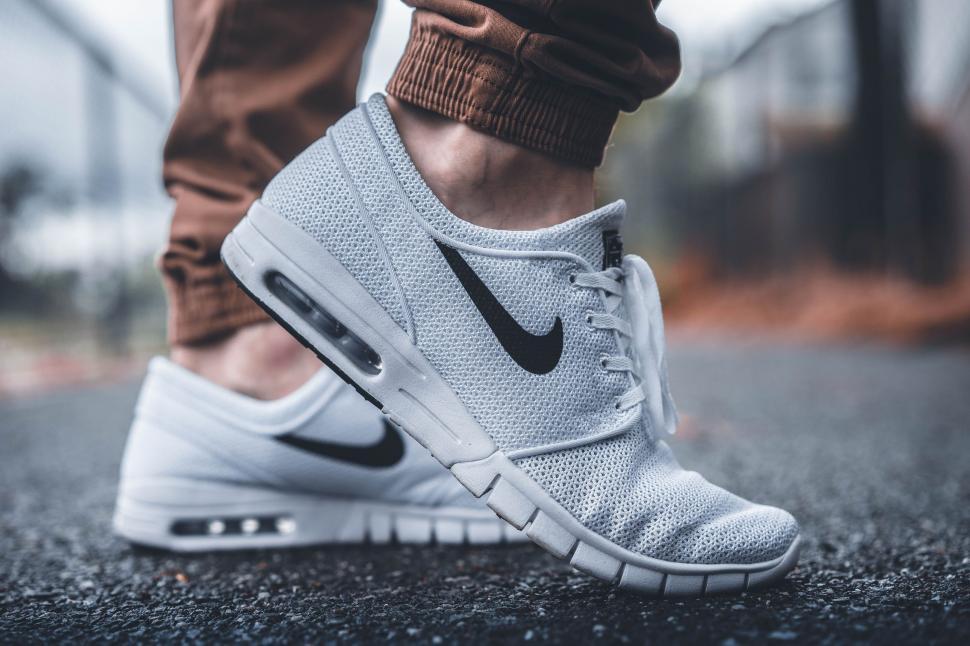
Next, focus on the Nike logos and branding elements. Check that the iconic Nike Swoosh is present and correctly positioned on the shoes. Pay attention to the size, thickness, and stitching of the Swoosh, as well as its placement on the shoe. Counterfeit Nike shoes often have Swooshes that are poorly constructed or placed inaccurately. Additionally, look for other branding elements, such as the Nike name or logo on the tongue, heel, or insole. These should be clear, sharp, and properly aligned.
Examining the sole of the shoes is another important step. Authentic Nike shoes usually have high-quality soles with precise patterns and textures. The outsole should have the appropriate Nike branding, model name, and size, which are often engraved or embossed. Counterfeit shoes may have errors or inconsistencies in the sole design, such as incorrect logos or misspelled words. The materials used for the sole should also be of high quality and durable.
Benefits of Authentic Nike Shoes
1. Quality Assurance: Authentic Nike shoes are made with top-notch materials and adhere to strict quality standards, ensuring you get a durable and comfortable pair of sneakers.
2. Long Lasting: Genuine Nike shoes are known for their durability, meaning you can enjoy wearing them for an extended period without worrying about them falling apart.
3. Support Innovation: Purchasing authentic Nike shoes helps support the brand’s continuous research and development efforts, promoting innovation in the sneaker industry.
3. Checking the SKU, Style Code, and Tags
Every authentic pair of Nike shoes comes with a unique SKU (Stock Keeping Unit) and a style code. These codes can be found on the inside tag of the shoes. Make sure the SKU and style code on the tag match the ones on the box and the label. Counterfeit shoes often have incorrect or mismatched codes or may not have them at all.
Inspecting the tags further, look for any signs of poor printing quality or inconsistencies in the font and size. Genuine Nike shoe tags have clear and sharp printing, usually with a matte finish. The tag should also include additional details, such as the shoe’s name, size, country of manufacture, and fabrication information. Counterfeit shoes may have tags with smudged printing, distorted fonts, or missing information.
Another important aspect to consider is the presence of any special edition or collaboration tags. Nike frequently releases limited edition shoes in collaboration with artists, athletes, or other brands. These collaborations often include unique tags or labels that authenticate the special nature of the shoe. Counterfeit shoes may attempt to mimic these collaborations, but the authenticity of such items can be determined by careful examination of the tags and verifying their legitimacy with official sources.
4. Researching Retailers and Sellers
Authentic Nike shoes are sold through authorized retailers and the brand’s official channels. Before making a purchase, it’s vital to research the retailer or seller to ensure their legitimacy. Check if the retailer is an authorized Nike dealer and if they have a good reputation for selling genuine products. Read customer reviews and ratings, and look for any warning signs or complaints about counterfeit products.
If you’re buying online, pay attention to the website’s design, layout, and security features. Genuine retailers often have professionally designed websites with secure payment options. Counterfeit websites may have poor design, spelling errors, or lack secure payment gateways. It’s safer to shop from well-established online marketplaces or directly from Nike’s official website.
Before purchasing from an individual seller, ask for detailed photos of the shoes and their packaging. Look for any inconsistencies or red flags and request additional information about the shoes’ authenticity, such as proof of purchase or receipts.
Nike Shoes Authentication: FAQs
5. Can I Authenticate Nike Shoes Based on Price?
While price can be a factor in determining the authenticity of Nike shoes, it’s not a definitive proof. Counterfeit shoes can sometimes be sold at high prices to deceive buyers into thinking they are purchasing the real product. On the other hand, legitimate Nike shoes may be discounted or available at lower prices during sales or promotions. It’s crucial to consider other authentication methods mentioned in this article.
6. Are Nike Shoes Always Authentic in Official Nike Stores?
While Nike’s official stores are generally a safe bet for authentic products, it’s essential to remain cautious. Counterfeiters can attempt to infiltrate even official stores or resell fake products as if they are genuine. To mitigate this risk, follow the authentication steps mentioned earlier and compare the shoes with reference images from Nike’s official website or reputable sneaker websites.
7. What Should I Do if I Suspect I’ve Bought Fake Nike Shoes?
If you suspect you have purchased fake Nike shoes, it’s essential to take immediate action. Document the details of your purchase, including photos, receipts, and any communication with the seller. Reach out to the retailer or seller and express your concerns, providing them with the evidence you have gathered. If the retailer is authorized, they may assist you in verifying the authenticity of the shoes or offer a refund or exchange. In case of fraudulent activity or unresolved issues, consider filing a report with the appropriate authorities.
In conclusion, authenticating Nike shoes is crucial to ensure you are purchasing genuine products. By carefully examining the packaging, design and construction, tags, researching retailers, and staying informed, you can protect yourself from counterfeit shoes. Remember, counterfeiters are continuously improving their techniques, so it’s essential to stay updated on the latest authentication methods and refer to official sources when in doubt.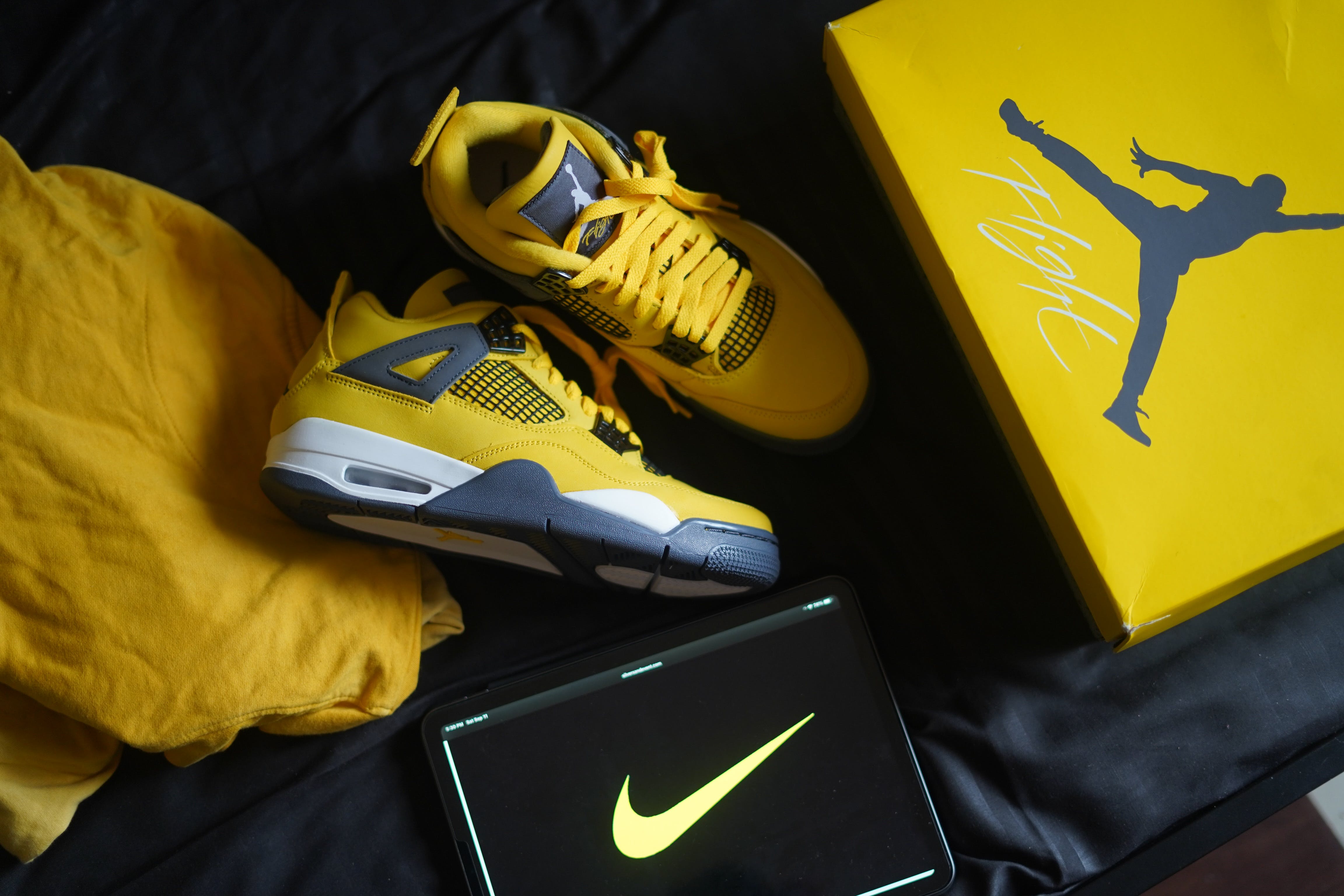
Frequently Asked Questions
Welcome to our Frequently Asked Questions section about authenticating Nike shoes. Below, you will find answers to some common questions that people have when it comes to determining the authenticity of Nike footwear.
1. What are some key factors to look for when authenticating Nike shoes?
When authenticating Nike shoes, there are several important factors to consider:
First, examine the stitching. Nike shoes typically have neat and evenly spaced stitches, with no loose threads or inconsistencies.
Second, check the quality of the materials. Genuine Nike shoes are made with high-quality materials that feel sturdy and durable, while counterfeit shoes may use cheaper materials that feel flimsy.
2. How can I verify the Nike logo on the shoes?
To verify the Nike logo on your shoes, pay attention to the details:
Authentic Nike shoes will have a well-defined logo with clean lines, regardless of the design. The swoosh should be sharp and appear consistent across both shoes. Counterfeit shoes may have blurry or jagged logos, or inconsistencies between the swooshes on each shoe.
Additionally, the stitching around the Nike logo should be precise and tightly done, without any loose threads or unevenness.
3. What should I look for in the shoe’s packaging?
When examining the packaging of Nike shoes, keep the following in mind:
Genuine Nike shoes usually come in a sturdy and well-designed box that features the Nike branding, logo, and other details. The box should feel solid and have high-quality printing, with no faded or blurry graphics.
Moreover, check for any additional items that are included, such as an authenticity card or product labels. These small details can provide further validation of the shoe’s authenticity.
4. Is the seller’s reputation important when buying Nike shoes?
Yes, the reputation of the seller is crucial when it comes to buying authentic Nike shoes:
It is recommended to buy from reputable retailers or directly from Nike’s official website to ensure the authenticity of the shoes. If purchasing from a third-party platform or individual seller, thoroughly research their reputation, read reviews, and check for any signs of counterfeits. Be cautious of deals that seem too good to be true, as they may be selling counterfeit products.
5. Can I authenticate Nike shoes by their price?
While price can sometimes be an indicator of authenticity, it is not a foolproof method:
Counterfeiters have become increasingly sophisticated and may charge high prices for fake Nike shoes to deceive buyers. On the other hand, genuine Nike shoes can sometimes be discounted or sold at lower prices during sales or promotions. Therefore, while price can provide some insight, it should not be the sole basis for determining authenticity. It is important to consider other factors, such as the overall quality of the shoes and the reputation of the seller.
6. How do you check if my Nike shoes are original?
To determine if your Nike shoes are genuine, there are a few key indicators to look out for. Firstly, check the SKU number on the shoes and ensure that it matches the SKU number on the box – this is a sure sign of authenticity. If the numbers are missing or don’t match, it’s likely that the shoes are fake. Additionally, examining the tongue label can provide valuable information. Fake Nike manufacturers often use outdated sizing labels on the inside of the shoe, so be wary if you notice any inconsistencies. By following these steps, you can verify the originality of your Nike shoes and ensure that you’re getting a genuine product.
7. How do I authenticate my Nike?
To authenticate your Nike shoes, one of the key factors to look for are the official logos. Genuine Nike shoes commonly have various logos and branding on them, including the iconic Nike logo. It is crucial to examine these logos in order to determine if they match the official Nike products. One way to do this is by visiting the official Nike website and comparing the logos displayed on their site with the ones on your shoes. By doing so, you can verify if your shoes are identical to the original ones.
8. What is the app that authenticates Nike shoes?
CheckCheck is a mobile application that provides authentication services specifically for Nike shoes. Designed for collectors, resellers, and sneaker enthusiasts, the CheckCheck App offers a reliable way to verify the authenticity of sneakers through a photo-based submission process. By utilizing the expertise of their team of experts, CheckCheck ensures that all items are carefully and manually checked at least twice by their knowledgeable authenticators. This thorough authentication process gives users peace of mind that the Nike shoes they are purchasing or selling are genuine.
9. What happens when you scan a Nike QR code?
When you scan a Nike QR code, it enhances the in-store shopping experience for customers. By scanning the Nike barcode located at the base of the product, you can access an app that presents a complete visual representation of the outfit. This allows shoppers to view all available sizes and colors, giving them the opportunity to make informed decisions. Additionally, the app enables customers to request to try on the products, ensuring a seamless and convenient shopping experience.
Summary
So, here’s what you need to know about authenticating Nike shoes. First, always buy from authorized retailers or the Nike website to ensure you’re getting the real deal. Second, check the shoe’s details like the logo, stitching, and materials to spot any inconsistencies. Third, examine the box for the correct label, barcodes, and SKU numbers. Finally, compare the shoes to official Nike photos to see if they match. Remember, if something seems off or too good to be true, it’s best to be cautious and ask for help from an expert.
In conclusion, authenticating Nike shoes is all about being observant and taking the time to check for key details. By following the tips mentioned, you can make sure you’re buying genuine Nike shoes and avoid falling victim to counterfeit products. Happy shoe shopping!
Recent Posts
Understanding that over 2 million Americans are affected by plantar fasciitis each year highlights the significance of proper footwear. The pain and discomfort caused by this condition can derail...
Have you ever wondered why so many runners experience injuries every year? A staggering 79% of recreational runners get injured, and a major culprit is often the wrong choice of running shoes. It's...