

Michael Weinstein
EntrepreneurMichael Weinstein is a seasoned writer and a dedicated expert in work safety, footwear, and popular shoe brands. With years of research and expertise, he's...Read more
Michael Weinstein
EntrepreneurMichael Weinstein is a seasoned writer and a dedicated expert in work safety, footwear, and popular shoe brands. With years of research and expertise, he's...Read more
Nike, one of the world’s largest and most recognizable sports brands, has been creating high-quality athletic gear and sneakers for decades. However, as consumers become increasingly conscious of the materials used in their products, many are beginning to question whether Nike uses real leather in their products.
While some may assume that Nike only uses synthetic materials in their products, the truth is that the brand has a complex relationship with leather. In this article, we’ll explore the ways in which Nike uses leather in their products, as well as the brand’s efforts to promote sustainability and ethical sourcing in their supply chain.
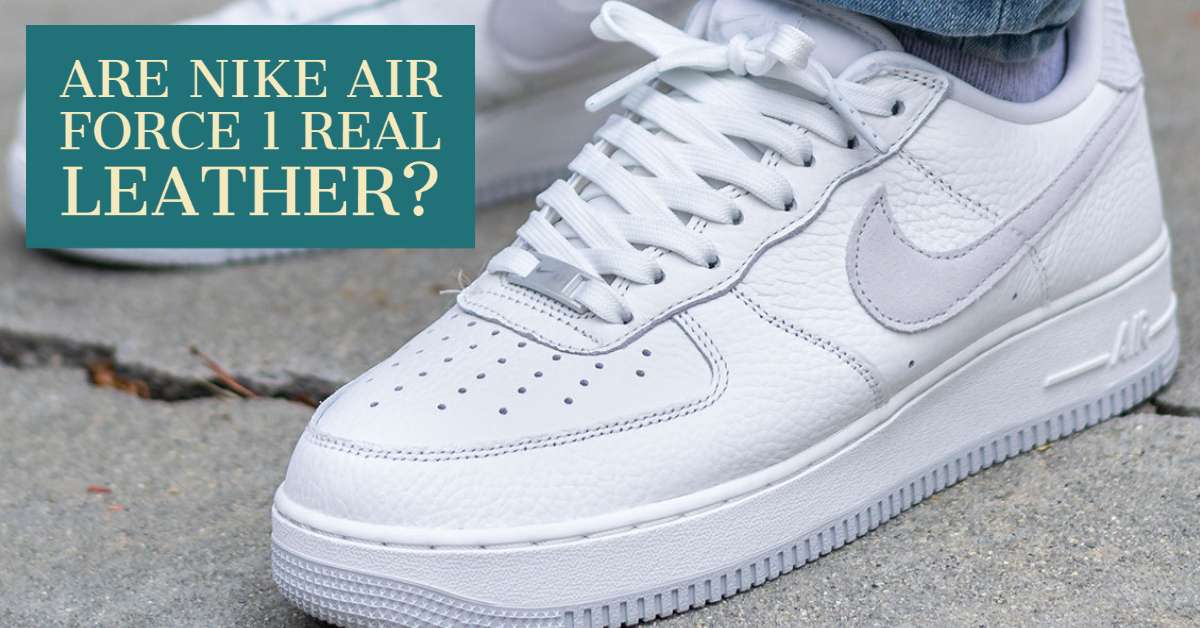
Does Nike Use Real Leather?
Nike is one of the biggest sports brands in the world, known for its innovative designs, technology integration, and high-quality products. One of the most common questions that customers ask is whether Nike uses real leather in its products or not. In this article, we’ll explore this question in detail and provide you with all the information you need to know.
Understanding Nike’s Leather Usage
Leather has been a popular material for sports shoes and apparel for decades. It’s durable, flexible, and comfortable, making it an ideal material for products that are meant to withstand rigorous physical activity. Nike has been using leather in some of its products for a long time, mainly in its lifestyle and casual footwear lines. However, Nike has been making a conscious effort to reduce its use of animal products, including leather, in recent years.
Nike has set a target to reduce its carbon footprint by 30% by 2030 and is exploring alternative materials and production techniques to achieve this goal. As part of this effort, Nike has introduced several products made from recycled materials, including recycled polyester and rubber. Additionally, Nike has developed synthetic leather alternatives that have the same look and feel as real leather but are more sustainable and eco-friendly.
The Pros and Cons of Real Leather
Real leather has several benefits, including durability, flexibility, and comfort. It’s also a natural material, which means it’s biodegradable and eco-friendly. However, leather production involves the use of animal hides, which can be a controversial topic for some customers. Additionally, leather production can have harmful environmental impacts, including deforestation, water pollution, and greenhouse gas emissions.
Benefits of Real Leather
- Real leather is durable and long-lasting.
- It’s flexible and comfortable, making it ideal for sports shoes and apparel.
- Leather is a natural material, which means it’s biodegradable and eco-friendly.
Cons of Real Leather
- Leather production involves the use of animal hides, which can be a controversial topic for some customers.
- Leather production can have harmful environmental impacts, including deforestation, water pollution, and greenhouse gas emissions.
Synthetic Leather Alternatives
As mentioned earlier, Nike has been exploring synthetic leather alternatives that have the same look and feel as real leather but are more sustainable and eco-friendly. Nike’s synthetic leather alternatives are made from recycled materials and have a lower carbon footprint than real leather. Additionally, synthetic leather production doesn’t involve the use of animal hides, making it a more ethical choice for some customers.
Benefits of Synthetic Leather Alternatives
- Synthetic leather alternatives are more sustainable and eco-friendly than real leather.
- They’re made from recycled materials, which reduces waste and conserves resources.
- Synthetic leather production doesn’t involve the use of animal hides, making it a more ethical choice for some customers.
Cons of Synthetic Leather Alternatives
- Synthetic leather alternatives may not have the same durability and quality as real leather.
- They may not be as flexible and comfortable as real leather.
- Some customers may prefer the natural look and feel of real leather.
Frequently Asked Questions
Here are some commonly asked questions about Nike’s use of real leather in their products:
What materials does Nike use in their products?
Nike uses a variety of materials in their products, including synthetic materials and leather. They have stated that they are committed to using sustainable and environmentally friendly materials whenever possible.
They also have a Materials Sustainability Index (MSI) that they use to evaluate the environmental impact of the materials they use in their products, including leather.
Does Nike use real leather in their shoes?
Yes, Nike does use real leather in some of their shoes. However, they have also been working to incorporate more sustainable and environmentally friendly materials into their products, including synthetic leather alternatives.
They have also stated that they are committed to responsible sourcing of leather and work with suppliers who meet their standards for animal welfare, environmental impact, and social responsibility.
How does Nike ensure the leather they use is responsibly sourced?
Nike has a set of standards and expectations for their suppliers when it comes to animal welfare, environmental impact, and social responsibility. They conduct audits and assessments of their suppliers to ensure they are meeting these standards.
They also work with organizations like the Leather Working Group to promote sustainable and responsible practices in the leather industry.
Does Nike offer any leather-free products?
Yes, Nike has been working to incorporate more sustainable and environmentally friendly materials into their products, including synthetic leather alternatives. They offer a range of shoes and other products that are made without any animal products or by-products.
They have also been working to reduce their overall use of leather in their products and increase the use of recycled and sustainable materials.
What is Nike’s overall approach to sustainability?
Nike has set ambitious sustainability goals and is committed to reducing their environmental impact and promoting social responsibility. They have a comprehensive sustainability strategy that includes reducing waste, using sustainable materials, and promoting ethical and responsible practices throughout their supply chain.
They also prioritize transparency and regularly report on their progress towards their sustainability goals.
Exposing fake leather in Nike Blazer with 🔥
In conclusion, Nike does use real leather in some of its products. While the company has made significant strides in sustainability, it is important to note that not all of their leather products are sourced from responsible or ethical sources. As consumers become more aware of the impact their purchases have on the environment and animal welfare, it is crucial for companies like Nike to continue to improve their practices.
However, for those who prefer to avoid leather altogether, Nike offers a range of synthetic materials that mimic the look and feel of leather without the environmental and ethical concerns. These materials are not only more sustainable but also more affordable, making them a popular choice among consumers.
Ultimately, the choice between real leather and synthetic materials is a personal one. While Nike’s use of real leather may not sit well with some consumers, others may prefer the durability and quality that comes with genuine leather. As a company, Nike is committed to providing options for all consumers while continuing to prioritize sustainability and ethical sourcing.
Conclusion
Nike has been using real leather in some of its products for a long time, mainly in its lifestyle and casual footwear lines. However, Nike has been making a conscious effort to reduce its use of animal products, including leather, in recent years. Nike has introduced several products made from recycled materials, including recycled polyester and rubber.
Additionally, Nike has developed synthetic leather alternatives that have the same look and feel as real leather but are more sustainable and eco-friendly. Whether you prefer real leather or synthetic leather alternatives, Nike offers a range of products to suit your needs and preferences.
Recent Posts
Understanding that over 2 million Americans are affected by plantar fasciitis each year highlights the significance of proper footwear. The pain and discomfort caused by this condition can derail...
Have you ever wondered why so many runners experience injuries every year? A staggering 79% of recreational runners get injured, and a major culprit is often the wrong choice of running shoes. It's...