

Michael Weinstein
EntrepreneurMichael Weinstein is a seasoned writer and a dedicated expert in work safety, footwear, and popular shoe brands. With years of research and expertise, he's...Read more
Michael Weinstein
EntrepreneurMichael Weinstein is a seasoned writer and a dedicated expert in work safety, footwear, and popular shoe brands. With years of research and expertise, he's...Read more
Nike is one of the most recognizable and influential brands in the world. But with great power comes great responsibility, and many have questioned whether Nike’s manufacturing practices are ethical. Specifically, there have been allegations that Nike uses child labor in its factories.
These accusations have led to public outrage and calls for boycotts of Nike products. But what is the truth behind these claims? In this article, we will explore the evidence for and against Nike’s use of child labor, and what the company is doing to ensure that its factories are free from exploitation.
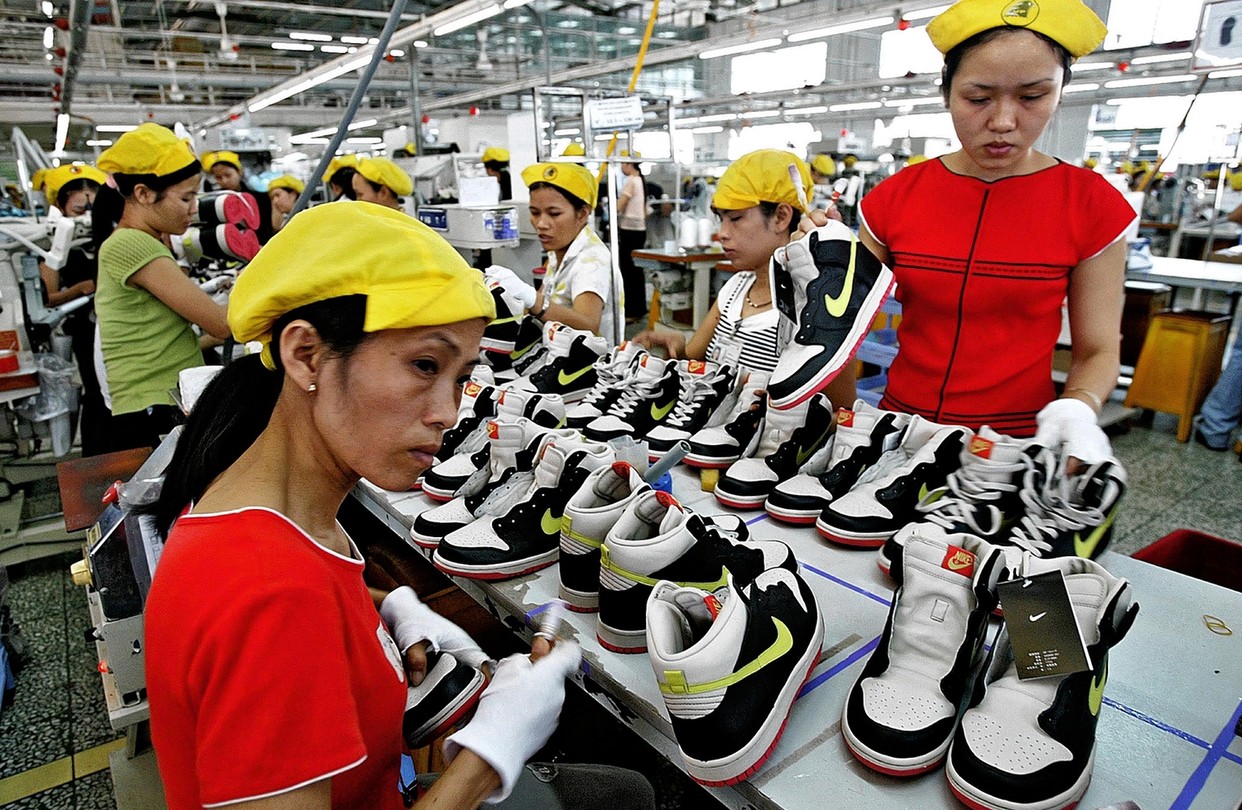
Does Nike Use Child Labor?
Nike is a multinational corporation that is known for its athletic footwear, apparel, and accessories. Over the years, Nike has faced numerous accusations of using child labor in its factories. In this article, we will explore the truth behind these allegations and examine Nike’s efforts to address this issue.
History of Child Labor Accusations
Nike has been accused of using child labor in its factories since the 1990s. In 1996, a CBS News report alleged that Nike was using sweatshops in Indonesia to produce its shoes. The report claimed that workers, including children, were forced to work long hours for low pay in unsafe conditions. Nike denied the allegations, but the negative publicity led to a boycott of its products.
Since then, Nike has faced numerous accusations of using child labor in other countries, including China, Vietnam, and Bangladesh. In 2011, a report by the Fair Labor Association found that workers in Nike’s factories in Indonesia were still working excessive hours and receiving low pay. The report also found that some workers were under the legal working age.
Nike’s Response
Nike has taken steps to address the issue of child labor in its factories. In 2005, the company established the Nike Foundation, which focuses on improving the lives of adolescent girls in developing countries. The foundation has invested in programs that provide education, healthcare, and economic opportunities for girls.
In addition, Nike has implemented a variety of labor standards and monitoring programs to ensure that its factories comply with ethical labor practices. The company requires its suppliers to follow its Code of Conduct, which includes provisions on child labor, forced labor, and working hours. Nike also conducts regular audits of its suppliers’ factories to ensure compliance.
Benefits of Nike’s Efforts
Nike’s efforts to address the issue of child labor have had a positive impact on the lives of workers in its factories. The company’s Code of Conduct and monitoring programs have helped to improve working conditions and ensure that workers are treated fairly. Additionally, the Nike Foundation’s investments in education and economic opportunities for girls have helped to empower young women in developing countries.
Nike vs. Other Companies
While Nike has faced criticism for using child labor in the past, the company has taken more significant steps to address the issue than many other corporations. Nike’s Code of Conduct and monitoring programs are more comprehensive than those of many other companies, and the Nike Foundation’s investments in education and economic opportunities for girls are unique among major corporations.
Frequently Asked Questions
What is Nike’s stance on child labor?
Nike is committed to protecting workers’ rights and promoting fair labor practices in its supply chain. The company has a Code of Conduct that sets standards for its suppliers’ labor practices, including a prohibition on the use of child labor.
Nike has also implemented a program called the Nike Manufacturing Map, which allows consumers to see where Nike products are made and learn about the working conditions in those factories. The company also conducts regular audits of its suppliers to ensure compliance with labor standards.
Has Nike been accused of using child labor?
Yes, Nike has been accused of using child labor in its supply chain in the past. In the 1990s, the company faced widespread criticism and protests over reports of child labor and sweatshop conditions in factories producing Nike products.
Since then, Nike has taken steps to address these issues, including implementing its Code of Conduct and the Nike Manufacturing Map. The company has also worked with labor rights groups and NGOs to improve working conditions in its supply chain.
How does Nike monitor its suppliers for compliance with labor standards?
Nike conducts regular audits of its suppliers to ensure compliance with its Code of Conduct and labor standards. The company also requires its suppliers to provide regular reports on their labor practices and has a team of compliance officers who work with suppliers to address any issues that arise.
In addition to these measures, Nike has implemented a program called the Sustainable Manufacturing and Sourcing Index, which assesses suppliers’ environmental and social practices. The company also works with third-party organizations to conduct independent audits of its suppliers.
What is Nike’s policy on forced labor?
Nike’s Code of Conduct prohibits the use of forced labor, including any form of slavery or human trafficking. The company also requires its suppliers to provide written assurances that they do not use forced labor or engage in any other practices that violate the Code of Conduct.
Nike has also implemented a program called the Ethical Trading Initiative, which works to promote fair labor practices and human rights in global supply chains. The company has committed to working with its suppliers to address any issues related to forced labor and to take corrective action when necessary.
What can consumers do to ensure that the products they purchase are ethically produced?
Consumers can research the companies they buy from and look for information on their labor practices and supply chain transparency. They can also choose to buy from companies that have a demonstrated commitment to fair labor practices and ethical sourcing.
Consumers can also support organizations and campaigns that work to promote worker rights and fair labor practices, and can use their purchasing power to send a message to companies that they value ethical production.
Does Nike use child Labour?
So, the use of child labor in the production of Nike products has been a contentious issue for many years. While the company has taken steps to improve their labor practices and address these concerns, there is still work to be done. It is important for consumers to be informed and aware of the labor practices of the companies they support and to advocate for fair and ethical treatment of workers.
Nike has made efforts to increase transparency in their supply chain and implement strict labor standards, but instances of child labor have still been reported. It is crucial for the company to continue to prioritize the well-being and safety of their workers, particularly children who are most vulnerable to exploitation.
As consumers, we have the power to demand change and hold companies accountable for their labor practices. By supporting brands that prioritize fair labor practices and ethical production, we can help create a more just and equitable global economy. Let us work together towards a future where child labor is eradicated and all workers are treated with dignity and respect.
Conclusion
While Nike has faced accusations of using child labor in the past, the company has taken significant steps to address the issue and improve working conditions in its factories. Nike’s Code of Conduct and monitoring programs are among the most comprehensive in the industry, and the Nike Foundation’s investments in education and economic opportunities for girls are making a positive impact in developing countries. While there is still work to be done, Nike’s efforts are a step in the right direction.
Recent Posts
Understanding that over 2 million Americans are affected by plantar fasciitis each year highlights the significance of proper footwear. The pain and discomfort caused by this condition can derail...
Have you ever wondered why so many runners experience injuries every year? A staggering 79% of recreational runners get injured, and a major culprit is often the wrong choice of running shoes. It's...