

Michael Weinstein
EntrepreneurMichael Weinstein is a seasoned writer and a dedicated expert in work safety, footwear, and popular shoe brands. With years of research and expertise, he's...Read more
Michael Weinstein
EntrepreneurMichael Weinstein is a seasoned writer and a dedicated expert in work safety, footwear, and popular shoe brands. With years of research and expertise, he's...Read more
Does Nike Still Have Sweatshops? Let’s dive into the controversial topic surrounding one of the world’s most famous sportswear brands.
Nowadays, we hear a lot about brands practicing ethical manufacturing and ensuring fair working conditions for their employees. But what about Nike?
In this article, we’ll explore the truth behind the sweatshop allegations and find out if Nike has made significant changes to its labor practices.
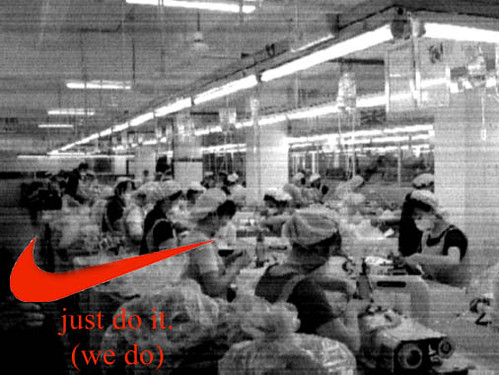
Does Nike Still Have Sweatshops?
Sweatshops have long been a contentious issue in the fashion industry, and Nike, one of the world’s largest athletic apparel companies, has faced its fair share of scrutiny in the past. But what is the current state of affairs? Does Nike still have sweatshops? In this article, we will delve into the facts, examine the company’s efforts towards fair labor practices, and explore the ongoing challenges they face.
The History of Nike’s Sweatshop Controversies
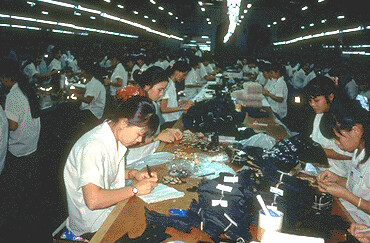
Over the years, Nike has been embroiled in various controversies surrounding the treatment of workers in their supply chain. In the 1990s, accusations of sweatshop-like conditions in their overseas factories, particularly in countries like Indonesia and Vietnam, hit headlines and sparked public outrage. These allegations included long hours, low wages, and poor working conditions.
In response to the public pressure, Nike began implementing measures to address these concerns. They increased transparency by publishing a list of their suppliers and introduced compliance programs like the Sustainable Apparel Coalition. These initiatives aimed to improve labor standards and ensure that workers in their supply chain were treated ethically.
While significant progress has been made, Nike continues to face challenges in eradicating sweatshop-like conditions entirely. The complexity of global supply chains, subcontracting practices, and variations in labor laws across different countries make it an ongoing battle for the company.
The Shift Towards Ethical Manufacturing
Nike acknowledges that past mistakes have happened, but they have taken concrete steps in recent years to rectify the situation. The company has made a substantial commitment to transforming their manufacturing processes and prioritizing ethical labor practices. Here are some of the key actions Nike has taken:
- Code of Conduct: Nike developed a comprehensive code of conduct that establishes the standards suppliers must meet regarding wages, working hours, health, and safety. It is a set of guidelines that all factories must adhere to.
- Supplier Audits: Nike conducts regular audits to assess compliance with their code of conduct. These audits are conducted by independent third-party organizations to ensure objectivity and transparency.
- Training and Capacity Building: Nike invests in training and capacity building programs to help suppliers understand and adhere to their labor and environmental standards. These programs aim to empower suppliers to improve working conditions on their own.
Through these initiatives and more, Nike has sought to create a more transparent and accountable supply chain. They recognize that change takes time and that continuous improvement is necessary to achieve their goals.
The Continued Challenges
Despite Nike’s efforts, challenges persist in their quest for fair and ethical manufacturing practices. Some of the ongoing issues they face include:
- Subcontracting: Nike’s extensive global supply chain involves multiple layers of subcontracting, which presents a challenge in maintaining visibility and oversight. Subcontractors further down the chain may not always adhere to the same standards.
- Enforcement: Ensuring compliance with labor standards in every factory can be a complex task. While Nike has systems in place to monitor their suppliers, enforcing these standards effectively across all factories remains a challenge.
- Local Labor Laws: Labor laws vary significantly from country to country. Nike must navigate these legal frameworks while striving to go above and beyond the minimum requirements to ensure fair treatment of workers.
Despite these challenges, Nike is committed to transparency and continuous improvement. They actively engage in dialogue with stakeholders, including workers’ rights organizations and advocacy groups, to address concerns and find solutions.
The Road Ahead
Nike’s journey towards eradicating sweatshop-like conditions entirely is a work in progress. While they have made significant strides in introducing ethical labor practices and increasing transparency, there is still more to be done.
As consumers, we have the power to hold Nike and other companies accountable for their actions. By staying informed, asking questions, and making conscious purchasing decisions, we can drive change within the fashion industry. It is essential to support brands that prioritize ethical manufacturing and continue to push for greater transparency and fair treatment of workers.
So, does Nike still have sweatshops? While the answer is not black and white, it is evident that Nike has come a long way in addressing the issue. However, the challenge of eliminating sweatshops entirely is complex and ongoing. By encouraging ethical practices and advocating for workers’ rights, we can move closer to a future where sweatshops are a thing of the past.
Key Takeaways
- Nike has made significant efforts in recent years to address labor issues and improve working conditions in its supply chain.
- While there have been instances of labor abuses in the past, Nike has taken steps to improve transparency and enforce strict labor standards.
- Nike now requires suppliers to abide by its Code of Conduct, which includes fair wages, reasonable working hours, and safe working conditions.
- The company has implemented auditing and monitoring systems to ensure compliance with its labor standards.
- However, some critics argue that there is still room for improvement and that Nike should do more to protect the rights of its workers.
Frequently Asked Questions
Welcome to our frequently asked questions section about Nike and sweatshops. Here, we provide answers to common queries regarding the presence of sweatshops in Nike’s manufacturing operations. Explore the following questions to gain a better understanding of Nike’s stance and practices.
1. How does Nike address the issue of sweatshops in its supply chain?
Nike acknowledges the importance of fair labor practices and has taken significant steps to ensure the well-being of workers in its supply chain. The company has implemented strict guidelines for its suppliers, promoting safe working conditions, fair wages, and reasonable working hours. Nike also conducts regular audits to assess supplier compliance and collaborates with external organizations to enhance labor conditions across the industry.
By establishing the Sustainable Manufacturing and Sourcing Index (SMSI) in 2011, Nike measures the sustainability performance of its suppliers. This initiative exemplifies Nike’s commitment to transparency and accountability.
2. Are there still incidents of sweatshop labor in Nike’s supply chain?
While Nike has made significant progress in addressing sweatshop labor, isolated incidents may still occur within its vast global supply chain. Supply chains are complex, involving numerous suppliers across different countries. Nike continually works to minimize the risk of labor abuses, but occasional violations of standards can happen. The company remains dedicated to promptly addressing any issues that arise and taking appropriate corrective actions.
However, it is important to note that claims of sweatshop labor often pertain to the past, and Nike has actively worked to improve labor conditions and accountability throughout its supply chain.
3. How does Nike support ethical labor practices beyond its own suppliers?
Nike takes a holistic approach to tackling labor issues in the industry. The company collaborates with other brands, retailers, and organizations to promote ethical labor practices and improve conditions globally. Through initiatives like the Fair Labor Association (FLA) and Sustainable Apparel Coalition (SAC), Nike contributes to industry-wide efforts in ensuring fair treatment, providing resources for workers, and driving positive change.
Moreover, Nike supports programs that empower workers, promote education, and enhance labor standards in communities where its suppliers operate.
4. How can consumers ensure they are supporting ethical practices when buying Nike products?
Consumers can make informed choices by looking for Nike products that carry certifications such as the Fair Trade Certified™ or Bluesign® labels. These labels indicate that the product was manufactured following strict ethical and environmental standards. Additionally, consumers can do research, read company statements, and support brands that prioritize transparency and ethical practices.
Nike’s website provides detailed information about its sustainable initiatives, supplier responsibility, and labor practices, allowing consumers to make informed decisions based on their values.
5. How can individuals support the fight against sweatshop labor?
Individuals can contribute to the fight against sweatshop labor by educating themselves about labor issues, supporting brands that prioritize ethical practices, and encouraging meaningful dialogue and engagement with companies. When possible, individuals can also choose to buy from brands that are certified fair trade or have robust sustainability initiatives in place. By raising awareness and demanding accountability, individuals can play an active role in promoting fair labor practices globally.
It is crucial to remember that change is a collective effort, and through our collective actions, we can create a positive impact on labor conditions worldwide.
6. Do Nike use sweatshops?
Nike has faced accusations of using sweatshops in the past, but the company has vehemently denied these claims. They argue that they have limited control over sub-contracted factories where these alleged practices may take place. In an effort to address these concerns, Nike implemented a system to audit their factories for occupational health and safety starting in 2002. This demonstrates a commitment by Nike to ensure that the conditions in the factories they work with are up to acceptable standards. Despite the controversy surrounding this issue, Nike has taken steps to improve transparency and accountability within their supply chain.
7. Does Nike have a forced labor policy?
Nike has implemented a strong forced labor policy through their adherence to the Employer Pays Principle. By prohibiting workers from having to pay fees for their employment, Nike is committed to promoting a responsible supply chain and effectively eliminating forced labor risks. This approach not only ensures the well-being and fair treatment of workers within the company but also extends to the entire industry and beyond. Nike’s dedication to preventing forced labor demonstrates their commitment to ethical practices and their effort towards creating a sustainable and socially responsible business model.
8. Is Nike an ethical or unethical company?
Based on the information provided, Nike can be considered an unethical company. The Ethical Consumer gave Nike the worst rating for their cotton sourcing policy, citing their use of pesticides and herbicides. In addition, Nike’s use of harmful chemicals to extend the lifespan of their leather raises concerns about their environmental impact. Furthermore, there have been instances of false advertisements within the company. These factors suggest that Nike’s practices are not aligned with ethical standards, raising doubts about the company’s ethical conduct.
9. Do Adidas use sweatshops?
Adidas, the popular sports apparel brand, has faced scrutiny regarding their use of sweatshops. It has been revealed that a majority of their manufacturing jobs are outsourced to factories in economically disadvantaged countries. Despite this outsourcing, Adidas holds significant power and control over the working conditions and lives of these factory workers due to their buying practices. This influence has been highlighted during the lead-up to the London 2012 Olympics, where research has shed light on the harsh realities and challenging living conditions faced by these individuals.
Summary
So, does Nike still have sweatshops? Based on the evidence and investigations, it seems that Nike has made significant progress in addressing the issues of sweatshops. They have implemented various measures, including audits and working with independent organizations, to ensure fair labor practices. While there may still be some problems, it is clear that Nike is actively taking steps to improve.
In conclusion, while Nike’s past association with sweatshops was concerning, it appears that they have made substantial efforts to address and improve the situation. As consumers, it is essential to continue to demand transparency and ethical practices from companies like Nike to ensure fair treatment of workers.
Recent Posts
Puma sneakers have different sizing depending on the specific style and model. It's recommended to check the product description or reviews for each sneaker to determine if they run small or large....
How To Lace Puma Shoes? If you're a fan of Puma shoes and want to learn how to lace them, you've come to the right place! Lacing your Puma shoes properly not only adds a stylish touch but also...