

Michael Weinstein
EntrepreneurMichael Weinstein is a seasoned writer and a dedicated expert in work safety, footwear, and popular shoe brands. With years of research and expertise, he's...Read more
Michael Weinstein
EntrepreneurMichael Weinstein is a seasoned writer and a dedicated expert in work safety, footwear, and popular shoe brands. With years of research and expertise, he's...Read more
Hoka shoes are the latest craze in the running world. They offer supreme cushioning and support, and many runners swear by them. However, there has been a lot of debate about whether these shoes are good or bad for your knees. In this article, we’ll take a closer look at the science behind Hoka shoes and whether they could be causing more harm than good. So, if you’re a runner who’s considering investing in a pair of Hokas, keep reading to find out everything you need to know about their impact on your knees.
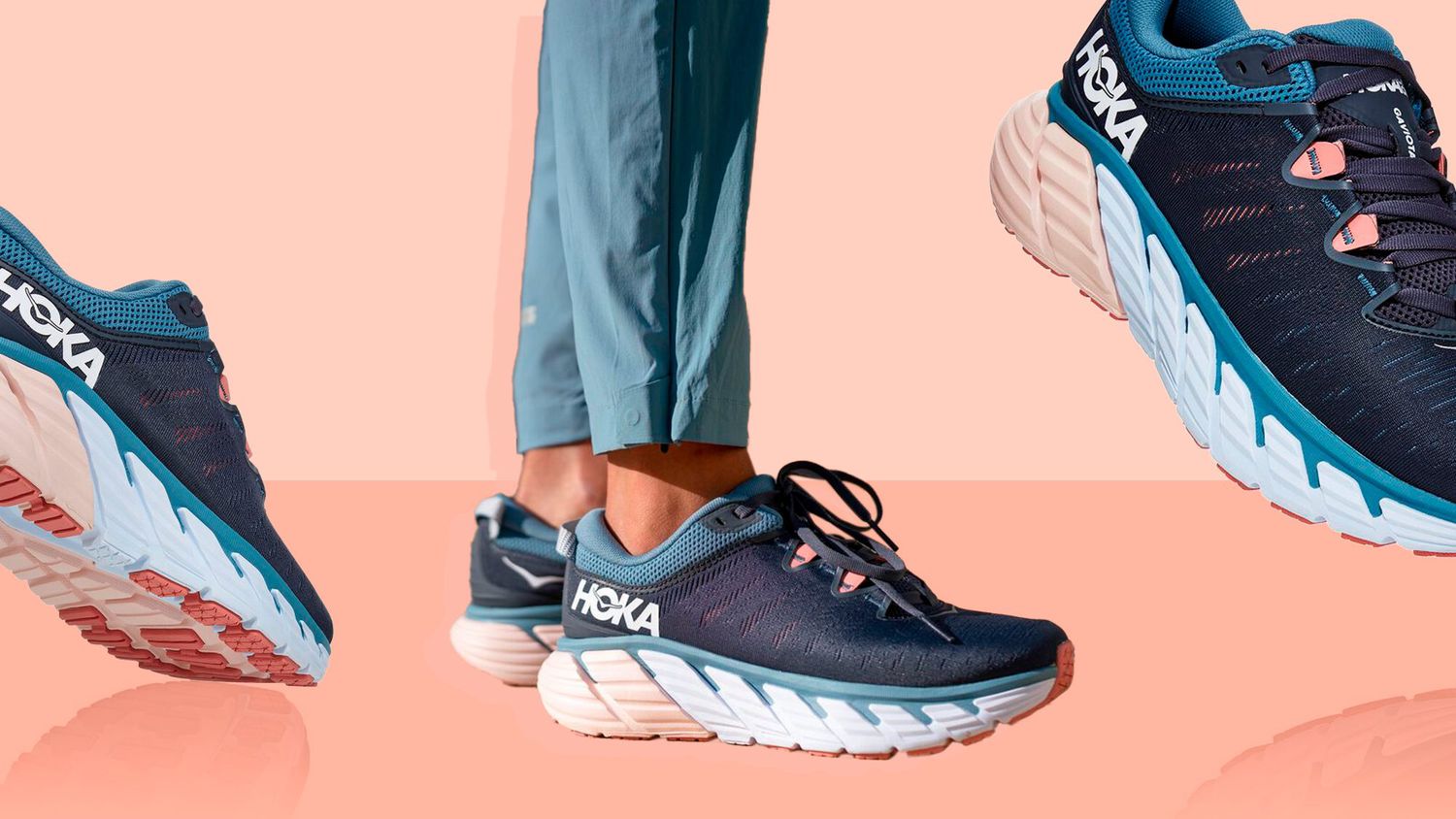
Are Hoka Shoes Bad for Knees?
Hoka shoes are known for their thick cushioning and unique design. However, some people have concerns that the shoes may be bad for their knees. In this article, we will explore whether Hoka shoes are bad for knees or not.
Understanding Hoka Shoes
Hoka shoes are designed with a thick midsole that provides extra cushioning and support to the feet. This design is intended to reduce the impact of running or walking on hard surfaces. The shoes are popular among runners and hikers who want to protect their feet from injuries.
However, the thick cushioning of Hoka shoes can be a concern for some people. Some experts suggest that the extra cushioning can alter the gait of a person, leading to knee injuries. The shoes may also increase the risk of ankle injuries due to their high stack height.
The Benefits of Hoka Shoes
Despite concerns about their impact on knees, Hoka shoes have several benefits. The shoes can help reduce pain and discomfort in the feet, especially for people with plantar fasciitis and other foot conditions. The shoes also provide excellent support and stability, making them ideal for people with flat feet or weak ankles.
The Risks of Hoka Shoes
While Hoka shoes have several benefits, they also come with some risks. The shoes’ thick midsole can alter a person’s gait, leading to knee injuries. The shoes’ high stack height can also increase the risk of ankle injuries, especially for people with weak ankles. Additionally, the shoes’ cushioning may not be suitable for people who prefer a more minimalist shoe.
Research on Hoka Shoes and Knee Injuries
Several studies have explored the relationship between Hoka shoes and knee injuries. A study published in the Journal of Orthopaedic and Sport Physical Therapy found that Hoka shoes reduced the impact force on the knees during running. The study concluded that Hoka shoes could be beneficial for people with knee injuries.
Another study published in the Journal of Sports Sciences found that Hoka shoes altered the gait of runners, leading to an increase in knee flexion and a decrease in knee extension. The study suggested that the shoes could increase the risk of knee injuries in some people.
What the Experts Say
Many experts agree that the impact of Hoka shoes on knees depends on the individual. Some people may benefit from the shoes’ extra cushioning, while others may find that the shoes alter their gait too much. Experts recommend that people try on the shoes and walk or run in them to see how they feel before making a purchase.
Hoka Shoes vs. Other Brands
When it comes to knee health, Hoka shoes are not necessarily better or worse than other brands. The impact of shoes on knees depends on factors such as the person’s gait, foot type, and running style. Some people may find that other brands of shoes are more comfortable and supportive for their knees.
Tips for Choosing the Right Running Shoes
When choosing running shoes, it’s essential to consider factors such as cushioning, support, and fit. Here are some tips for choosing the right running shoes:
1. Get Fitted
Before buying running shoes, get fitted by a professional. They can help you find the right size and type of shoes for your feet.
2. Consider Your Foot Type
People with flat feet may need shoes with more arch support, while people with high arches may need shoes with more cushioning. Consider your foot type when choosing shoes.
3. Think About Your Running Style
People who run on hard surfaces may benefit from shoes with extra cushioning, while people who run on trails may need shoes with more traction.
4. Try on Multiple Pairs
Try on several pairs of shoes before making a purchase. Walk or run in them to see how they feel and whether they provide the support and comfort you need.
5. Replace Your Shoes Regularly
Running shoes wear out over time and lose their cushioning and support. Replace your shoes regularly to ensure that they continue to protect your knees and feet.
Frequently Asked Questions
Can Hoka Shoes Cause Knee Pain?
No, Hoka shoes are designed to reduce the impact on the knees and other joints. The shoes are equipped with extra cushioning and support to absorb shock and reduce the pressure on the knees. In fact, many runners with knee pain have reported that switching to Hoka shoes has helped alleviate their pain.
However, it’s important to note that knee pain can have many underlying causes. If you’re experiencing knee pain while wearing Hoka shoes, it may be due to an injury or other condition. It’s always a good idea to consult with a doctor or physical therapist if you’re experiencing pain.
Are Hoka Shoes Good for Knee Arthritis?
Yes, Hoka shoes are a great option for people with knee arthritis. The extra cushioning and support in the shoes can help reduce the impact on the knees and provide relief from pain. Additionally, the shoes are designed with a rocker sole that can help reduce the load on the knee joint.
It’s important to note that everyone’s experience with knee arthritis is different, so it’s a good idea to try on different shoe styles to see what works best for your individual needs.
Do Hoka Shoes Have a High Heel-to-Toe Drop?
Yes, Hoka shoes are known for their high heel-to-toe drop. This means that the heel of the shoe is significantly higher than the toe, which can help promote a heel strike when running. However, it’s important to note that the high heel-to-toe drop may not be suitable for everyone.
If you’re new to Hoka shoes or have never worn shoes with a high heel-to-toe drop, it’s a good idea to start with a lower drop and gradually work your way up.
What Makes Hoka Shoes Different from Other Running Shoes?
Hoka shoes are known for their oversized midsoles and extra cushioning, which helps reduce the impact on the feet and joints while running. The shoes also feature a rocker sole design, which can help promote a smooth and efficient stride.
Additionally, many Hoka shoes have a wider base and more room in the toe box, which can help provide better stability and comfort for runners.
Can Hoka Shoes Help with Plantar Fasciitis?
Yes, Hoka shoes can be a great option for people with plantar fasciitis. The extra cushioning and support in the shoes can help reduce the strain on the plantar fascia and provide relief from pain. Additionally, many Hoka shoes have a wider base and more room in the toe box, which can help provide better stability and comfort for people with plantar fasciitis.
It’s important to note that everyone’s experience with plantar fasciitis is different, so it’s a good idea to try on different shoe styles to see what works best for your individual needs.
EXPERT GUIDE to the Best Shoes to Minimize Knee & Back Pain 💥
In conclusion, the debate surrounding Hoka shoes and their impact on knee health is ongoing. While some studies suggest that they may help reduce knee pain and improve overall joint health, others argue that their thick soles and high cushioning can lead to instability and potential injury.
However, it’s important to remember that every individual’s body is different, and what works for one person may not work for another. It’s always recommended to consult with a healthcare professional before making any decisions about footwear or starting a new exercise routine.
Ultimately, it’s up to each individual to determine whether Hoka shoes are right for them. With proper care and attention to form, they can be a valuable tool in promoting overall foot and joint health, but it’s important to listen to your body and make informed decisions about your footwear choices.
Conclusion
Hoka shoes are not necessarily bad for knees. The impact of the shoes on knees depends on factors such as the person’s gait, foot type, and running style. While the shoes have several benefits, they also come with some risks. It’s essential to try on the shoes and walk or run in them before making a purchase.
Additionally, it’s crucial to consider factors such as cushioning, support, and fit when choosing running shoes to protect your knees and feet.
Recent Posts
Understanding that over 2 million Americans are affected by plantar fasciitis each year highlights the significance of proper footwear. The pain and discomfort caused by this condition can derail...
Have you ever wondered why so many runners experience injuries every year? A staggering 79% of recreational runners get injured, and a major culprit is often the wrong choice of running shoes. It's...